Progressive Overload Explained: The Simple Rule Behind Real Strength

If you only understand one principle about getting stronger, make it this one. Progressive overload is the idea behind every good strength program, and it is the reason some people keep improving for years while others stay stuck. The concept is simple. Applying it well is where a coach earns their keep.
What progressive overload means
Progressive overload means gradually asking your body to do a little more over time. Your muscles adapt to the demands you place on them. If you lift the same weight for the same reps forever, your body has no reason to change. Add a little more, and it responds by getting stronger.
That is the whole idea. Do slightly more than your body is used to, recover, then do slightly more again. Repeat that over months and the results add up to real, visible strength.
Ways to add more
More weight is the obvious lever, but it is not the only one. You can add reps, add a set, slow the tempo, improve your range of motion, or shorten your rest between sets. Each of these increases the demand on your muscles.
This matters because you cannot add weight to the bar forever. When the weight stalls, a smart program shifts to another lever so you keep progressing instead of grinding in place.
Why most people stall
Two things usually stop progress. The first is doing the same workout on repeat with no plan to increase anything. The second is adding load so fast that form breaks down and injuries follow. Real progress lives in the middle, small and consistent increases with clean technique.
The other quiet killer is not tracking. If you do not know what you did last week, you cannot know whether you are actually doing more this week. That is why members track their own numbers. Those numbers are the map.
Where the Build workout comes in
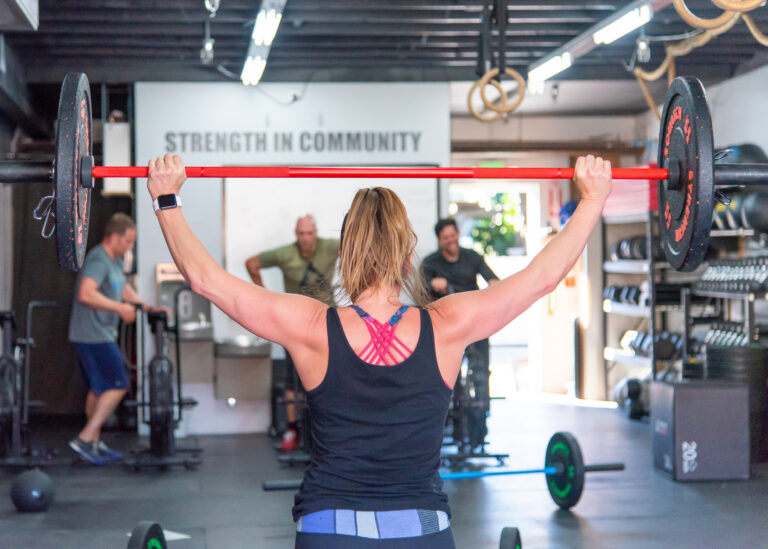
At Sasquatch, progressive overload lives most clearly in our Build workout type: heavy compound lifts with progressive overload built in. It is the strongest driver of new strength and muscle. Build is one of five workout types we program, alongside Grind, Skill, Sprint, and Move, so you develop a complete body. See how they fit together in our guide on the 5 Sasquatch workout types.
Why a coach speeds this up
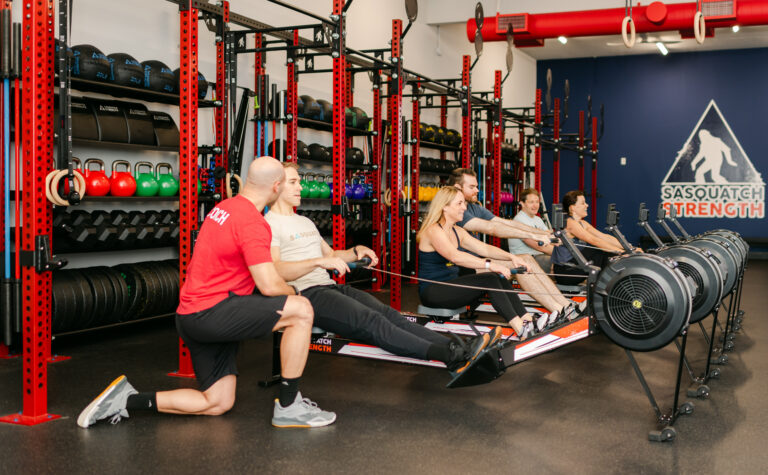
Progressive overload sounds simple, but knowing exactly when to add weight, when to add reps, and when to back off is the hard part. That is what a coach handles. You show up, follow the program, and your coach adjusts the plan, corrects your form, and pushes you at the right moments. You do not have to think about it.
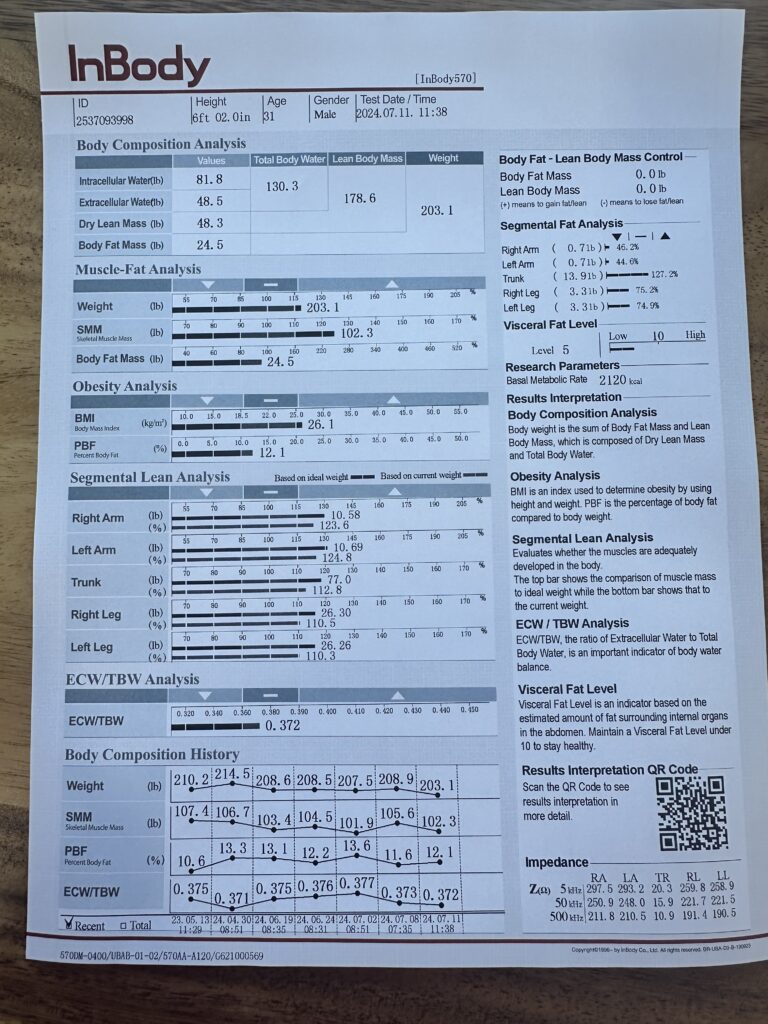
Three sessions a week is enough for most people to keep progressing. You can also confirm your gains with unlimited InBody scans so you know the strength is showing up as muscle.
Frequently asked questions
What is progressive overload?
Gradually increasing the demand on your muscles over time so they keep adapting and getting stronger.
How do I apply progressive overload?
Add weight, reps, or sets, slow your tempo, improve range of motion, or cut rest time, in small, consistent steps.
How fast should I add weight?
Slowly enough to keep good form. Small, steady increases beat big jumps that break your technique.
Do I need to track my workouts?
Yes. Without a record of what you did, you cannot reliably do more over time.
How often should I train to progress?
Three sessions a week is enough for most people to keep making gains.
Ready to stop guessing?
Book a Free Zoom and we will build a program that keeps you progressing week after week. Book a Zoom here.
Want a coach to talk through a plan with you?
Book a free Zoom call. We'll agree on a goal and show you what this could mean for you.
Book my free Zoom call