Protein Targets on a GLP-1: How Much You Actually Need to Keep Your Muscle
You’ve decided to take charge of your health with a GLP-1 medication. Ozempic. Wegovy. Mounjaro. Zepbound. These medications work, and they work well for weight loss. But here’s what most people don’t realize: up to 40 percent of the weight you lose on a GLP-1 can be lean muscle mass, not just fat. And that changes everything.
Lose muscle, and you lose the metabolic engine that keeps weight off long-term. You lose the strength you need for everyday life. You lose the foundation that makes you feel like you. The good news? This isn’t inevitable. With the right nutrition strategy, specifically hitting your protein targets, you can preserve the muscle that matters while the fat comes off.
This guide breaks down exactly how much protein you need on a GLP-1 and how to actually get it in when your appetite has essentially disappeared.
The Muscle Loss Problem on GLP-1 Medications
GLP-1 receptor agonists are remarkably effective at reducing appetite and promoting weight loss. That’s the point. But they work indiscriminately: they suppress hunger for food, period. Your body doesn’t know the difference between “I need a calorie deficit to lose fat” and “I need nutrients to build muscle.”
Research is clear on this: when you create a calorie deficit, even a moderate one, your body breaks down muscle tissue for energy if it doesn’t have enough protein to hold onto it. On a GLP-1, that deficit happens automatically. You’re eating 1,200 calories instead of 2,500 without trying. That’s a steep deficit, and without intentional protein intake, your muscles are at serious risk.
A landmark study from the American Journal of Clinical Nutrition found that people losing weight on a calorie-restricted diet lose anywhere from 25 to 40 percent of total weight as lean muscle. Add in reduced protein intake (which is almost guaranteed on a GLP-1 due to appetite suppression) and that number climbs.
Why does this matter beyond vanity?
Metabolism. Muscle is metabolically active tissue. One pound of muscle burns roughly 6 calories per day at rest. Fat burns about 2. Lose 10 pounds of muscle, and your resting metabolic rate drops by 60 calories per day. That might sound small, but compound it over a year and you’re looking at an easier path to regaining weight once you stop the medication.
Function. Muscle mass is what lets you carry groceries, play with kids or grandkids, stand up from a chair without thinking about it. It’s the difference between independence and limitation.
Bone health. Muscle pulls on bone during movement. Less muscle means weaker bones. That matters as you age.
The rebound effect. Studies show that people who lose primarily muscle, not fat, are more likely to regain weight quickly once they stop GLP-1 therapy. You’re rebuilding a worse metabolic foundation.
The solution isn’t to avoid GLP-1s. It’s to be strategic about protein while you’re on them.
How Much Protein Do You Actually Need on a GLP-1?
Here’s where most nutrition advice falls short. Generic guidelines say 0.8 grams of protein per kilogram of body weight, or about 0.36 grams per pound. That’s maintenance protein, the bare minimum to keep you alive and functional.
But you’re not in maintenance. You’re in a calorie deficit, and research on protein requirements during weight loss is much clearer: you need more protein to preserve muscle, not less.
The evidence points to a range: 0.7 to 1.0 grams of protein per pound of body weight per day is what research supports for preserving muscle during calorie restriction. On a GLP-1, where appetite is already suppressed and protein intake naturally drops, we recommend targeting the higher end, closer to 0.9 to 1.0 grams per pound.
Here’s what that looks like in practice:
A 150-pound person needs 135 to 150 grams of protein per day. A 180-pound person needs 160 to 180 grams per day. A 200-pound person needs 180 to 200 grams per day.
Now, here’s the reality: that’s a lot of food when you’re not hungry. A typical chicken breast is 35 grams of protein. That chicken breast might now be enough for a full meal for you on a GLP-1 because your appetite has genuinely shrunk. You’re getting 35 grams of protein and you’re full. That’s actually okay, as long as you do it intentionally across multiple meals and snacks throughout the day.
The key word: intentional.
Practical Ways to Hit Your Protein Targets (Even When You’re Not Hungry)
The number one mistake we see is people on GLP-1s saying “I just can’t eat that much protein.” Then we look at their food log and they’re getting 60 grams a day because they’re eating whatever they want when they’re hungry, not what they need to preserve muscle.
Here’s the framework that works:
Protein First, Always. At every meal and snack, eat protein before anything else. Protein takes up mental and physical space, so get it in while you still have appetite room. This isn’t complicated: Greek yogurt and berries before toast. Chicken before rice. Eggs before anything else.
Space Protein Across 3 to 4 Meals. Muscle protein synthesis, the process where your body builds and repairs muscle, maxes out around 40 to 50 grams of protein per meal. After that, the marginal benefit drops. Instead of trying to get 150 grams in two meals, spread it across 3 to 4. Aim for 35 to 50 grams at each eating occasion.
Sample day (for a 180-pound person needing 160 grams of protein): Breakfast is Greek yogurt with nuts and berries (25 grams). Mid-morning is a protein shake with whey isolate (30 grams). Lunch is grilled chicken, spinach, small portion of rice (40 grams). Snack is string cheese and almonds (12 grams). Dinner is salmon and roasted vegetables (45 grams). That’s 152 grams. Realistic. Doable. And you’re hitting your target without force-feeding yourself when you’re on appetite suppressant medication.
Lean on Protein Shakes. This isn’t bro science. Liquid calories are genuinely easier to consume when your appetite is suppressed. A high-quality whey isolate shake, unflavored or vanilla, with a splash of milk gives you 25 to 35 grams of protein in something that takes 90 seconds to drink. When you’re not hungry but you know you need another 40 grams of protein before dinner, a shake bridges that gap without making you feel stuffed.
Choose Protein-Dense Foods. Not all protein sources are created equal on a GLP-1. You want high protein-to-volume ratio: protein powder, Greek yogurt (non-fat has more protein, less volume), lean meats like chicken breast, turkey, and lean beef, fish like salmon, tuna, and cod, eggs and egg whites, cottage cheese, low-fat cheese, and legumes (though they come with more fiber, which can exacerbate GI side effects).
Avoid low-protein, high-volume foods on a GLP-1. A large salad with minimal protein might make you feel stuffed without hitting your targets. A smaller salad with grilled chicken does the job.
Time Your Protein Around Training. If you’re doing resistance training (and you should be), prioritize getting protein in the hours around your workouts. Within 3 hours post-workout is ideal, but honestly, what matters more is hitting your daily total. Spread it intelligently across the day.
Why Protein Alone Isn’t Enough
This is critical: protein doesn’t preserve muscle by itself. Protein provides the building blocks. But your body needs a signal to actually use those blocks to maintain muscle. That signal comes from resistance training.
Here’s the mechanism: when you lift weights, you create mechanical tension and micro-damage in muscle fibers. Your body responds by building those fibers back stronger and bigger. But it can only do that if it has protein available. Without resistance training, even 1.0 gram per pound of protein just becomes extra calories your body burns or stores.
The other direction is also true: without sufficient protein, all the resistance training in the world won’t protect your muscle mass. You need both.
A meta-analysis in the Journal of the International Society of Sports Nutrition examined people in calorie deficits. Those who combined adequate protein intake with progressive resistance training preserved 90 percent or more of their lean mass. Those who did only one or the other? Muscle loss ranged from 25 to 40 percent.
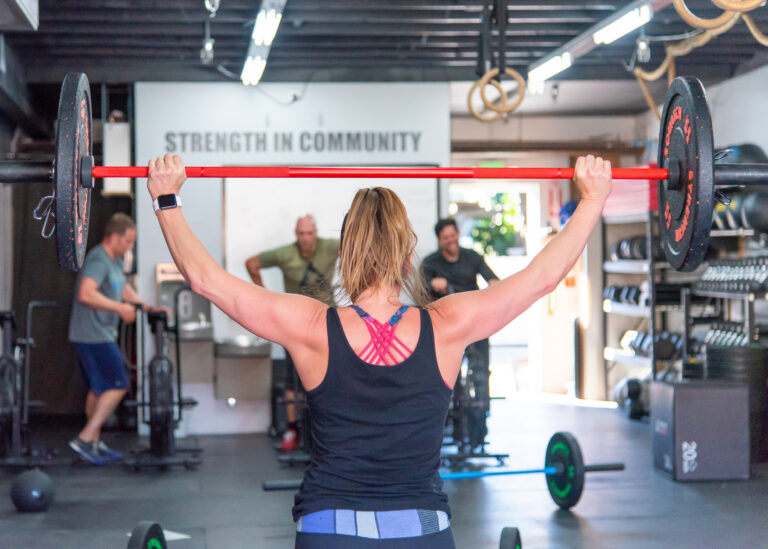
So what does resistance training mean practically? 2 to 4 sessions per week, targeting major muscle groups, progressing the weight or reps over time. You don’t need to become a powerlifter. But you need to send your body the signal: keep this muscle, I’m using it.
How We Help GLP-1 Users Keep Their Muscle
At Sasquatch Strength & Nutrition, we work with GLP-1 users to preserve muscle while they lose weight. Here’s our three-part approach:
Nutrition Coaching. We assess where you’re really at with protein intake (most people underestimate), build a realistic plan to hit your targets, and adjust it as your appetite and energy levels change on the medication. This isn’t about restriction. It’s about being intentional.
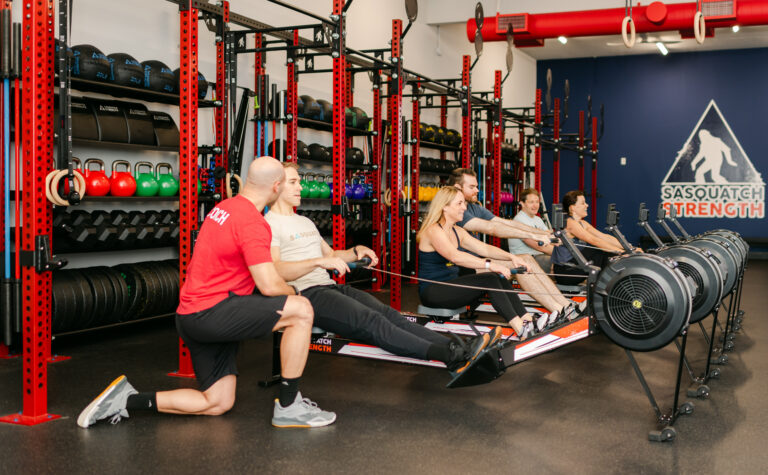
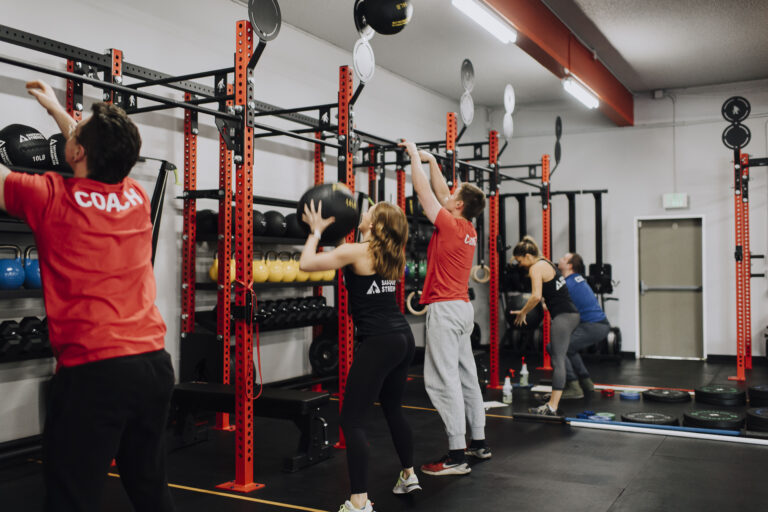
Coached Strength Training. We provide progressive resistance training designed specifically for people on GLP-1 medications. That means accounting for lower energy, faster fatigue, and the specific goal of muscle preservation. Remote or in-person, depending on where you are.
Medical Optimization. If your labs indicate and your provider approves, options may be available to support your goals. All treatments require licensed provider review and approval. We facilitate access to medical optimization services through our partnership with KIS Rx, so you’re working with a coordinated team.
The result? You lose weight. You keep muscle. You feel stronger. And your metabolism stays robust, making it easier to maintain your results long-term.
We offer membership options including our 12-Week and 24-Week programs, both of which include nutrition coaching. If you’re already solid on nutrition, our Ready tier gets you coached strength training without the nutrition component.
FAQ
Can I hit my protein targets without shakes?
Yes, but it’s harder on a GLP-1 due to appetite suppression. Shakes are a tool, not a requirement. If you prefer whole food, focus on high-protein density foods and spread intake across more meals. It’s doable; it just requires more intentionality.
What if I can’t eat that much protein because I feel too full?
Start where you are. If you’re at 80 grams and your target is 160 grams, work toward 110 grams. Give it 2 to 3 weeks to adjust. Eat protein first at each meal. Use shakes to bridge gaps. If you hit a ceiling, talk to your provider. Sometimes GI side effects or medications are the limiting factor, and there are ways to address that.
Do I need more protein if I’m doing more intense training?
Research suggests 0.9 to 1.0 grams per pound covers most people in a calorie deficit doing resistance training. If you’re doing very high-volume training (5+ days per week, high intensity), you might benefit from being on the higher end. But for most people on GLP-1s, 0.8 to 0.9 grams per pound is sufficient and more realistic.
Does the type of protein matter?
Animal proteins (meat, fish, eggs, dairy) have a better amino acid profile, particularly for leucine, which is the key amino acid that triggers muscle protein synthesis. Plant proteins are lower in leucine. If you’re vegetarian or vegan on a GLP-1, you can hit targets, you’ll just need more volume and variety. Include legumes, tofu, tempeh, and consider a plant-based protein powder.
Ready to Keep Your Muscle on a GLP-1?
You have three paths forward:
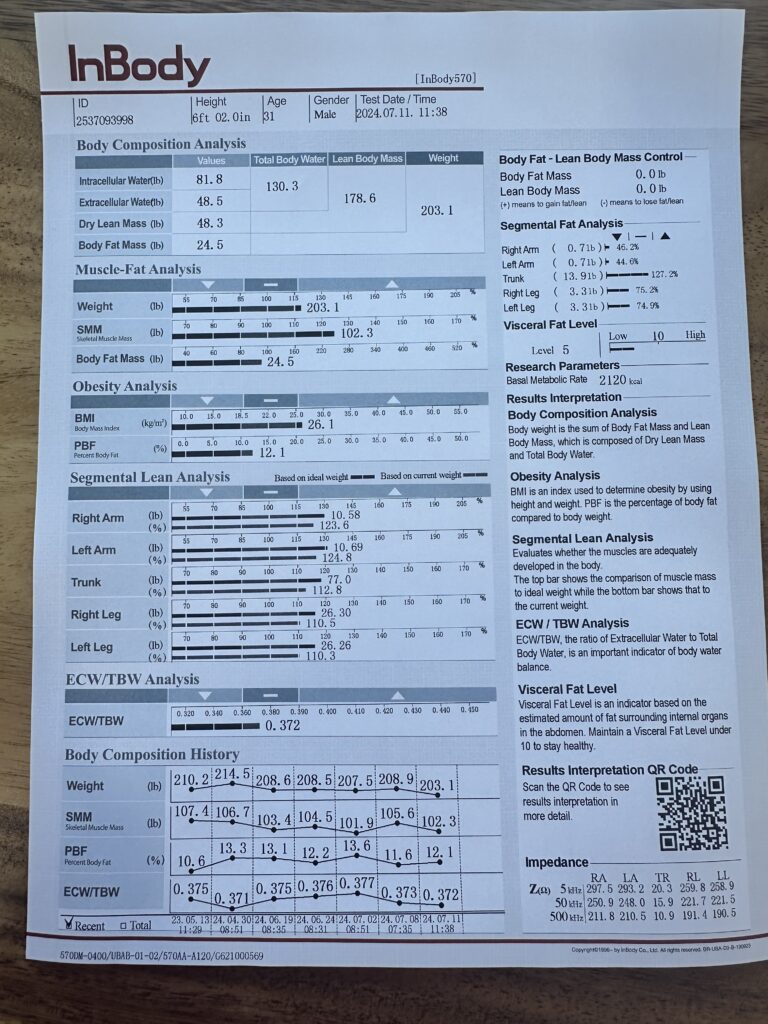
Option 1: Train Local. Book a free 30-minute consult at Sasquatch Strength & Nutrition in Redmond or Sammamish. You’ll get an InBody scan, meet a coach, and we’ll build a plan around your GLP-1 goals. Book your free consult.
Option 2: Medical Optimization. If you want access to GLP-1 therapy coordinated with expert nutrition and training, explore the SasRx portal. We work with licensed providers through our partnership with KIS Rx to create a complete plan around your labs and goals. All treatments require licensed provider review and approval. Individual results may vary.
Option 3: Remote Coaching (Anywhere in the US). If you’re already on a GLP-1 and want nutrition coaching and remote strength training to preserve muscle, book a strategy call. We’ll assess where you are, build a realistic plan, and coach you through it.
Medical Compliance Disclaimer
Sasquatch Strength & Nutrition is not a medical provider. All treatments require licensed provider review and approval. Individual results may vary. Medical optimization services provided through our partnership with KIS Rx. This content is for educational purposes and should not be construed as medical advice. Always consult your healthcare provider before starting any new medication, supplement, or exercise program.