Sasquatch vs Orangetheory: Which Redmond Gym Is Better for Building Real Strength?
If you’ve been looking at gyms in Redmond, you’ve probably narrowed it down to a few options. Sasquatch Strength & Nutrition and Orangetheory come up a lot, and they look similar from the outside: group classes, good energy, people working hard. But they’re built on very different ideas about fitness, and which one works for you depends on what you’re actually trying to build.
This is an honest comparison. No trash-talking. Just what each gym does, how they’re different, and who each one is best for.
What Orangetheory Does Well
Orangetheory has built something real. Their classes run on heart-rate zone training, and the energy in the room is legit. You walk in, strap on a monitor, and spend an hour chasing your orange and red zones while music pumps and screens flash your stats.
The format is accessible, the brand is consistent across locations, and the group energy pushes you to work harder than you would alone. For a lot of people, Orangetheory is where they fall in love with fitness for the first time. That matters.
Where Orangetheory Has Limits
Orangetheory is built around cardiovascular conditioning and calorie burn. The workouts rotate through treadmill blocks, rowing blocks, and a floor section with dumbbells. Everyone does the same template, with minor modifications for fitness level.
For general fitness, that works. But if you’re trying to actually get stronger, there are some real trade-offs.
The floor block is about 12-14 minutes. That’s your entire strength window, and it’s usually high-rep, moderate-weight work. There’s no progressive overload plan. Nobody’s tracking whether you went up in weight this week or adjusting your program based on how you moved last Tuesday. The workout is the workout, regardless of who’s in the room.
There’s also no nutrition coaching. You can burn 500 calories in class and eat 600 on the way home because you’re starving. Without a nutrition component, you’re working hard without the other half of the equation.
And the coaching relationship is limited. Your heart rate monitor gives you data, but it doesn’t know about your shoulder issue or the fact that you sit at a desk for 10 hours a day. It’s programming, not coaching.
What Sasquatch Does Differently
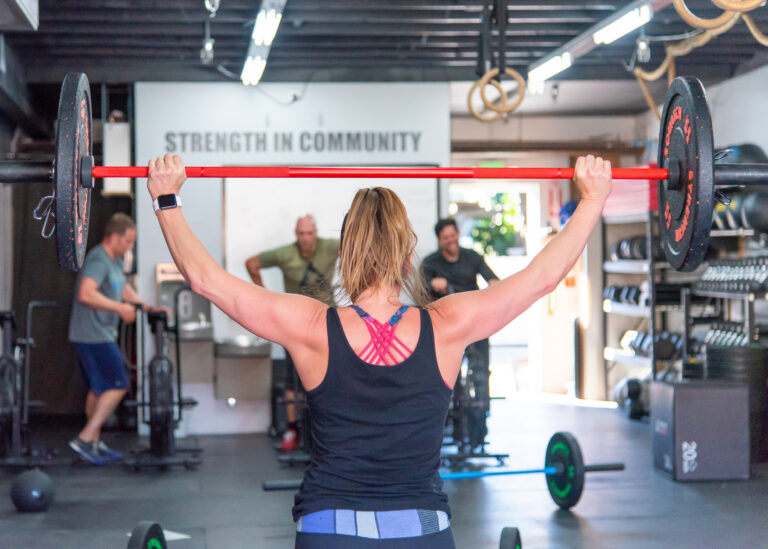
Sasquatch Strength & Nutrition in Redmond was built around a different premise: you’re here to get stronger, not just tired. And the energy in the room reflects that. People show up fired up, coaches bring it, and there’s a community vibe that makes you want to be there.
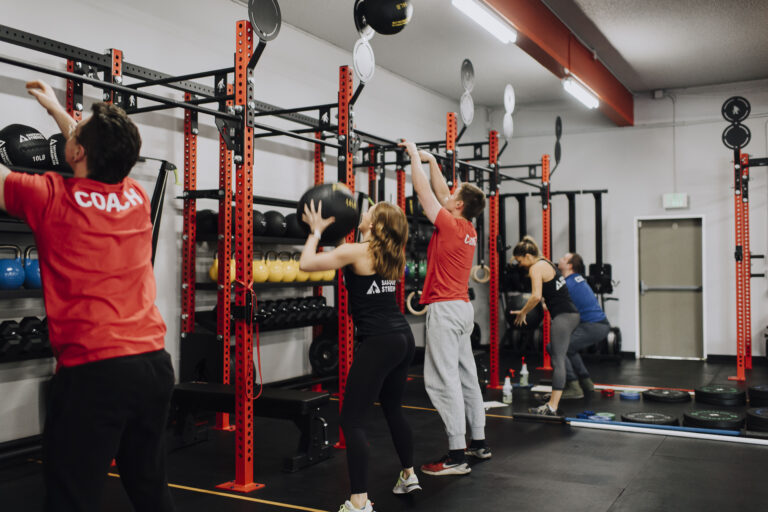
The training is built around five distinct workout types, each with a specific purpose. Build days are heavy compound lifts with progressive overload. Grind days push muscular endurance with higher reps and serious grit. Skill days focus on technique, control, and movement quality so you actually own what you’re doing. Sprint days are about intensity, power output, and explosiveness. Move days combine cardio and functional strength movements with a focus on sustained effort and pacing.
You show up, you follow the program, you don’t have to think about it. The coaches handle all of it. They tell you what to do, they correct your form, they push you when you’re ready. The difference is that the program is actually built to make you stronger, and your coaches are paying attention to you specifically. You track your own numbers and own your progress, and that’s where the accountability comes from.
Depending on your program, nutrition coaching may be part of the package. The 12-week, 24-week, and 52-week programs all include nutrition coaching with a real coach who works with you on protein targets, calories, meal structure, and the behavioral side of eating. Training builds the muscle. Nutrition fuels the fat loss. One without the other doesn’t get you where you want to go.
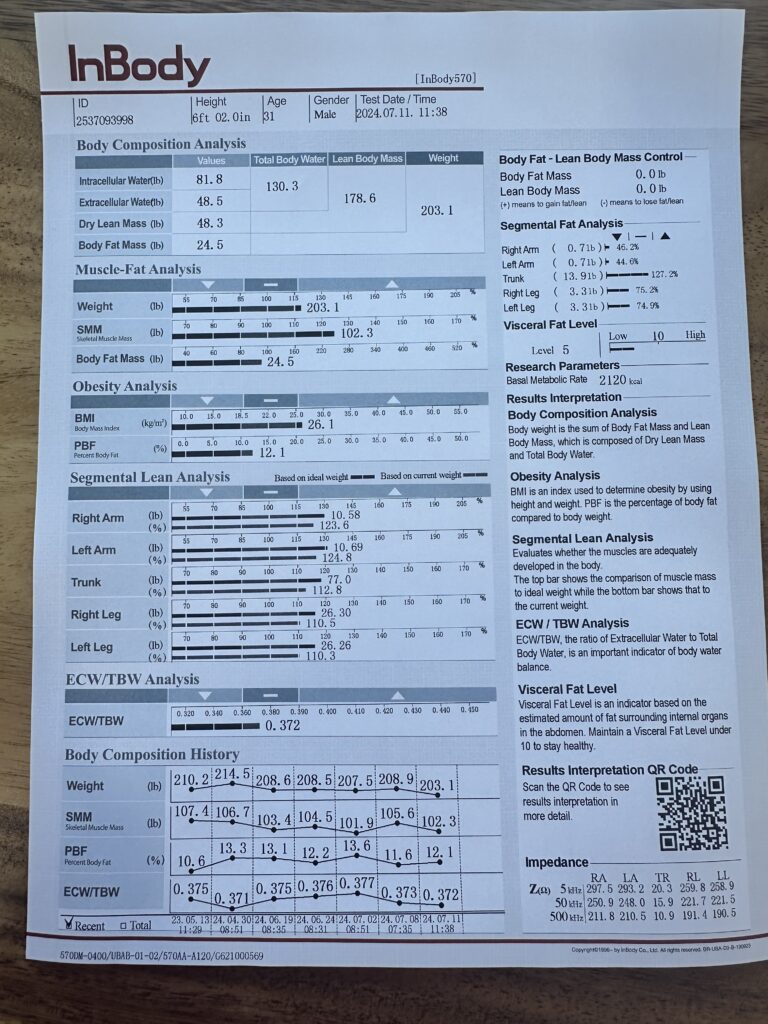
Every member gets unlimited InBody scans that measure muscle mass, body fat percentage, and visceral fat. You’re not guessing. You can scan weekly, monthly, or whenever you want to check in on your progress. Plenty of members lose 8 pounds on the scale but the scan shows they lost 12 pounds of fat and gained 4 pounds of muscle. That difference matters.
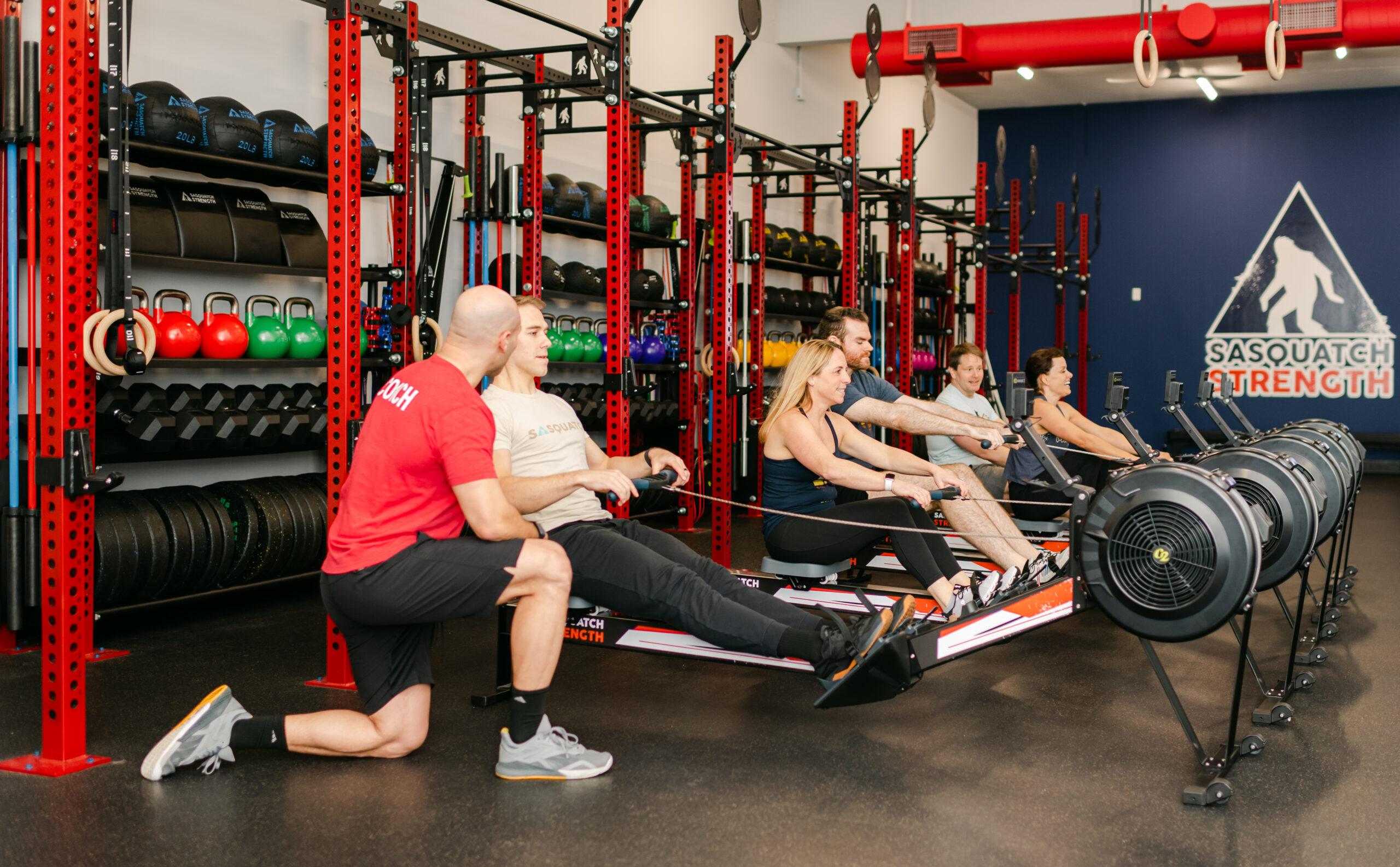
And the coaches know you. They know your name, they know your history, they adjust your workout because they’ve watched you move for months. That’s a coaching relationship, not a template.
Sasquatch also partners with KIS Rx for medical optimization. If your labs indicate and the provider approves, prescription-based options like GLP-1 medications or TRT may be available. It’s there if you want it, but it’s not the foundation. The training and nutrition are the foundation.
Coaching vs. Programming
This is the real difference between these two gyms.
Orangetheory is well-executed programming. You follow the format, you get a result. It’s predictable and consistent, and it works for a lot of people.
Sasquatch is coaching. Your coach meets you where you are and adjusts based on what they see. If the program says heavy deadlifts but your back is flared up, they modify. If you’ve been plateaued for three weeks, they change the stimulus. If you’re training for something specific, they build toward that. That kind of attention changes outcomes.
Which One Is Right for You?
Orangetheory is a great starting point, especially if your main goal is cardiovascular fitness or you’re just getting back into a gym routine. A lot of people start there and get real value from it.
But most people who come to Sasquatch have already done that. They’ve done the cardio classes. They’ve chased the calorie burn. And now they want more. They want to get measurably stronger, they want a coach who knows their name, they want nutrition coaching as part of the package, and they want results that actually stick. If you’re in your 30s, 40s, or 50s and you’re ready for something that goes somewhere, that’s what Sasquatch was built for.
And you don’t need to “graduate” from somewhere else first. Beginners start here all the time. The coaches meet you where you are.
FAQ
Is Orangetheory good for building muscle?
You’ll get some muscle stimulus from the floor work, especially if you’re a beginner. But without progressive overload, personalized coaching, or a nutrition plan, it’s not optimized for muscle building. It’s optimized for cardiovascular conditioning and calorie burn.
Does Sasquatch have cardio?
Yes. Sprint days hit conditioning with intensity, and Move days combine cardio with functional strength for sustained effort and pacing. The difference is that conditioning supports your strength goals instead of being the entire point.
How does pricing compare between Sasquatch and Orangetheory in Redmond?
They’re in a similar range for unlimited membership. The difference is what you get: Sasquatch programs can include nutrition coaching, unlimited InBody scans, and personalized attention from coaches who know you. You’re paying for coaching, not just facility access.
Do I need experience to start at Sasquatch?
No. Coaches meet you where you are. Skill days exist specifically to teach fundamentals. Beginners and experienced lifters train in the same classes with loads and modifications appropriate to their level. You only need to show up three times a week to see real results.
Ready to See for Yourself?
Book a free 30-minute consult at Sasquatch Strength & Nutrition in Redmond or Sammamish. You’ll get an InBody scan, a tour, and an honest conversation about what you’re trying to build and whether this is the right place for it.
No pressure. No hard sell. Just a real look at where you are and what’s possible.