What Happens When You Stop a GLP-1? How to Keep the Weight Off

GLP-1 medications like semaglutide have helped a lot of people lose significant weight. But the question we hear most often is the one that really matters: what happens when you stop? The honest answer is that without the right habits in place, a lot of the weight can come back. Here is why, and how to make your results stick.
Why weight comes back after a GLP-1
GLP-1s work largely by reducing appetite. When you stop the medication, that appetite signal returns, and if nothing else has changed, old eating patterns tend to return with it. That is the first reason weight can creep back.
The second reason is muscle. Rapid weight loss, especially without strength training, often costs you muscle along with fat. Less muscle means a slower metabolism, which makes regaining fat easier once your appetite returns. So the goal while you are on a GLP-1 is to protect muscle and build habits that outlast the medication.
Strength training is the anchor
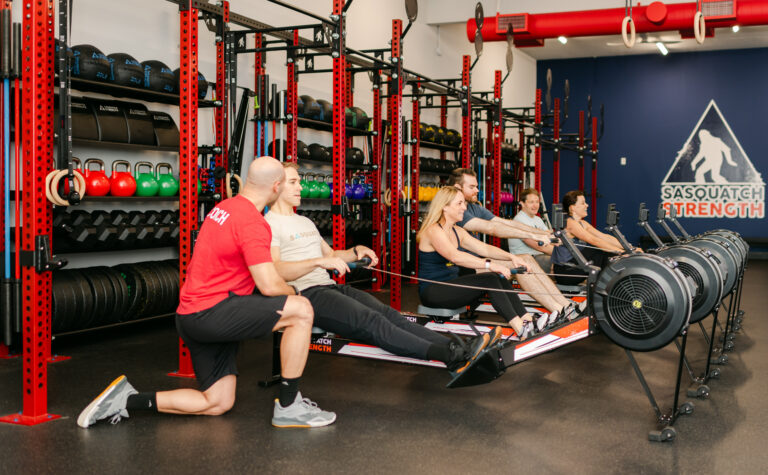
This is where lifting matters most. Strength training tells your body to hold onto muscle while you lose fat. That keeps your metabolism higher and gives you a strong foundation to maintain your results after you taper off.
You do not need to train every day. Three sessions a week is enough for most people. Our Build workout type, heavy compound lifts with progressive overload, is the strongest driver of keeping and growing muscle. If you want the details, we cover this in our guide on how to keep your muscle while losing weight on a GLP-1.
Nutrition habits that outlast the medication
The people who keep the weight off are the ones who used their time on a GLP-1 to build real eating habits. Prioritizing protein is the big one. A target of roughly 0.7 to 1 gram per pound of body weight per day protects muscle and keeps you full as your natural appetite returns.
Our nutrition coaching, included in the 52-Week, 24-Week, and 12-Week tiers, is built to install those habits while you have the medication helping you. That way, when you stop, the structure is already yours.
Track what is actually changing
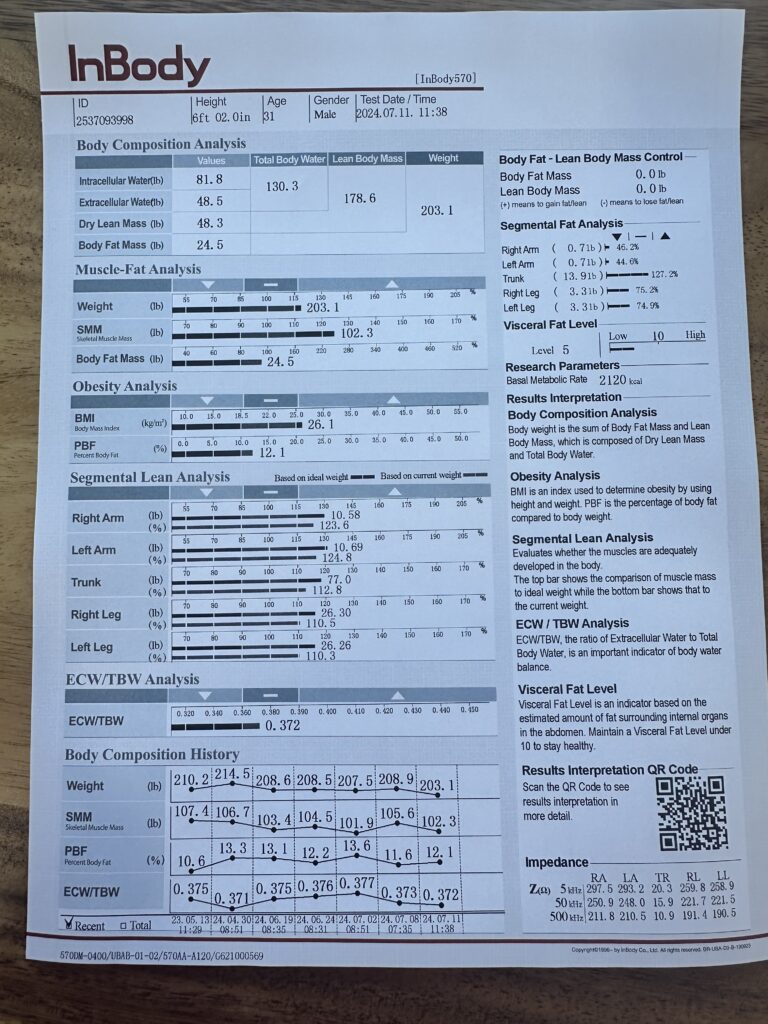
The scale cannot tell you whether you are losing fat or muscle. Our unlimited InBody scans can. Watching your body composition while on a GLP-1 lets you and your coach catch muscle loss early and adjust, so you finish the process lean and strong rather than smaller and softer.
Medical oversight matters
Through our partnership with KIS Rx, medical optimization like GLP-1s can be part of a supervised plan if labs indicate and your provider approves. Decisions about starting, adjusting, or stopping any medication should always be made with your medical provider. You can learn more through the SasRx Portal. Our job is the training and nutrition that make the results last.
Frequently asked questions
Will I regain weight after stopping a GLP-1?
You can if habits and muscle are not in place. Strength training and solid nutrition greatly improve your odds of keeping it off.
How do I keep muscle while losing weight on a GLP-1?
Strength train about three times a week and eat plenty of protein, roughly 0.7 to 1 gram per pound of body weight per day.
Should I keep working out after I stop the medication?
Yes. Training and nutrition habits are what maintain your results long after the medication is done.
Can Sasquatch help with the medication side?
Through our KIS Rx partnership, medical optimization is available if labs indicate and your provider approves, always under medical oversight.
How do I know if I am losing fat or muscle?
Unlimited InBody scans with your membership show your body composition so you can track exactly what is changing.
Ready to make it last?
Book a Free Zoom and we will build a training and nutrition plan that keeps your results after the medication. Book a Zoom here.
Medical disclaimer: This article is for general information only and is not medical advice. GLP-1 medications and any medical optimization should be pursued only if labs indicate and your provider approves, and always under the supervision of a qualified medical provider. Talk to your provider before starting, changing, or stopping any medication.
Want a coach to talk through a plan with you?
Book a free Zoom call. We'll agree on a goal and show you what this could mean for you.
Book my free Zoom call