Can You Build Muscle on a GLP-1? How to Lose Fat Without Losing Strength
GLP-1 medications like semaglutide and tirzepatide have helped a lot of people finally lose weight that would not budge. But there is a catch most people do not hear about up front. When you lose weight fast, some of what you lose can be muscle, not just fat. The good news is you can protect your strength while you drop fat. Here is how.
Medical disclaimer: This article is for general education and is not medical advice. GLP-1 medications should only be used if labs indicate and your provider approves. Always defer to your provider and stay under medical oversight.
Why muscle loss happens on a GLP-1
These medications reduce appetite, sometimes dramatically. That is part of why they work. But eating a lot less often means eating a lot less protein, and protein is what your body uses to hold onto and build muscle. Combine low protein with rapid weight loss and no resistance training, and your body will pull from muscle along with fat.
Losing muscle is a problem beyond looks. Muscle drives your metabolism, keeps you strong and mobile, and helps you keep the fat off long term. Lose too much of it and you can end up smaller but softer, and more likely to regain weight later.
Eat enough protein, first
Protein is your best defense. Even with a smaller appetite, making protein the priority at every meal helps your body hold onto muscle while you lose fat. If your appetite is low, protein-forward meals and shakes make it easier to hit your target. We cover exactly how to do this in what to eat on a GLP-1, and if you want to know your number, here is how much protein you actually need.
Lift weights while you lose
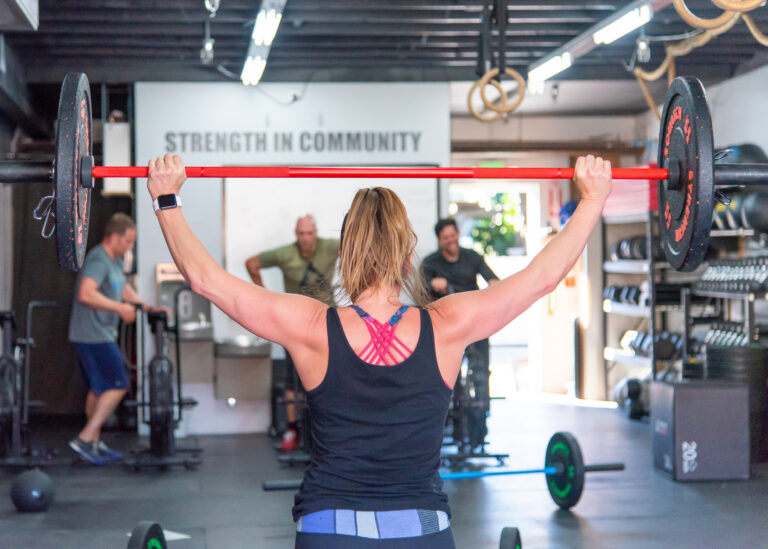
Resistance training is the signal that tells your body to keep the muscle it has. Without it, your body has no reason to hold onto muscle in a calorie deficit. With it, you keep your strength and can even build while the fat comes off.
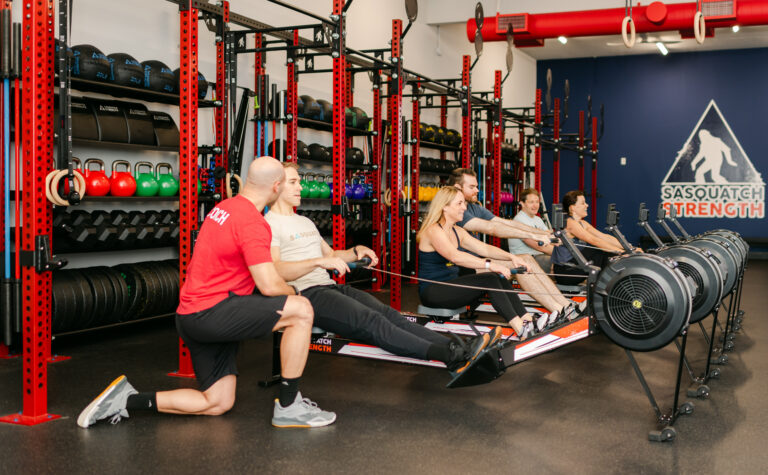
You do not need to train every day. Three focused strength sessions a week is enough to protect and build muscle for most people. Progressive overload, gradually adding weight or reps over time, is what makes the difference. A coach can build that plan so you are training in a way that matches where you are.
Track more than the scale
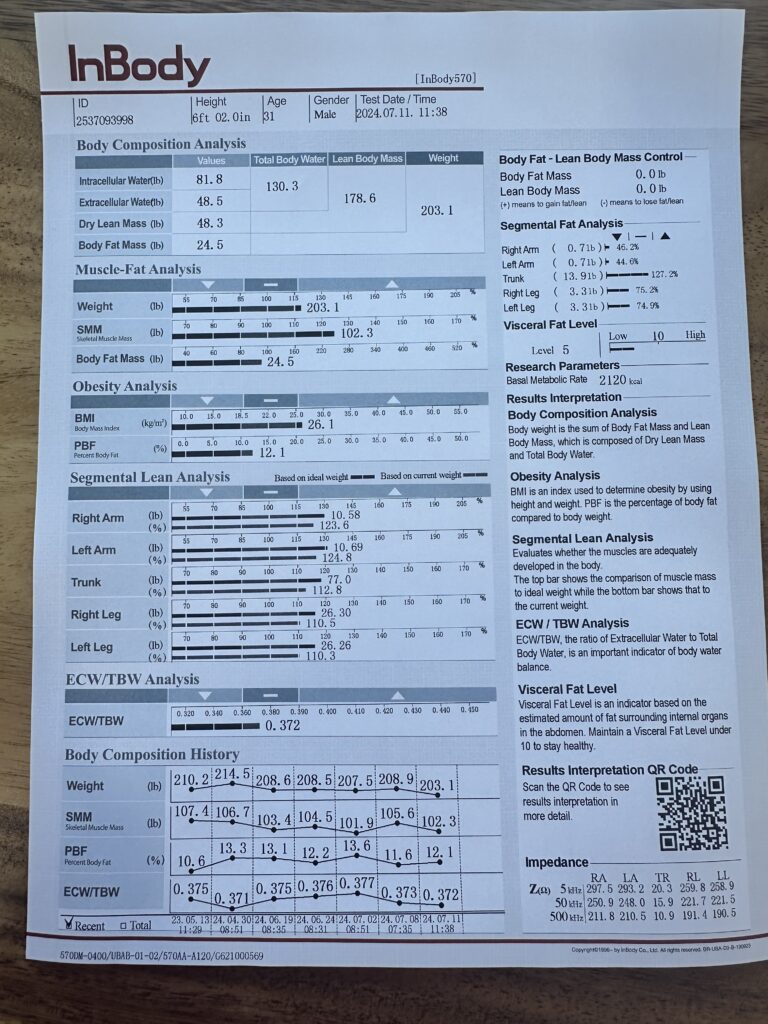
The scale cannot tell you whether you are losing fat or muscle. That is why we use InBody scans, which are unlimited with membership, so you can see your body composition change over time and adjust if you are losing muscle. Watching those numbers is how you know the plan is working the way it should.
How Sasquatch fits in
We coach the whole picture: strength training built around progressive overload, nutrition that keeps your protein high, and progress tracking that shows what is really happening. For members who want medical optimization, our KIS Rx partnership supports options like GLP-1s if labs indicate and your provider approves, always with medical oversight. If you want to compare the two most common medications, we break it down in semaglutide vs tirzepatide.
Frequently asked questions
Will I lose muscle on a GLP-1?
You can if you do not eat enough protein and lift weights. With enough protein and regular resistance training, you can lose fat and hold onto your muscle.
How much protein should I eat on a GLP-1?
Most people benefit from a protein-forward approach at every meal. Your exact target depends on your body weight and goals, and a coach can help you dial it in.
Do I need to lift heavy to keep muscle?
You need to train with enough challenge to signal your body to keep muscle, and to add a little over time. A coach scales this to your level so it is safe and effective.
Is a GLP-1 right for me?
That is a decision for you and your provider based on your labs. We support the training and nutrition side, and defer to your provider on the medication itself.
Ready to lose fat and keep your strength?
If you are on a GLP-1 or thinking about it, let’s make sure you come out of it stronger, not smaller. Book a Free Zoom and we will build a plan that protects your muscle.
Want a coach to talk through a plan with you?
Book a free Zoom call. We'll agree on a goal and show you what this could mean for you.
Book my free Zoom call