Semaglutide vs Tirzepatide: What’s the Difference for Weight Loss?
If you have looked into weight loss medication at all, you have run into two names: semaglutide and tirzepatide. They show up under brand names like Ozempic, Wegovy, Mounjaro, and Zepbound. People use them interchangeably in conversation, but they are not the same drug, and the differences are worth understanding before you start.
Here is a plain-language breakdown of how they compare, and why the medication itself is only part of getting the result you actually want.
What they have in common
Both are injectable medications that work with your body’s own hunger and blood-sugar signals. They slow how fast your stomach empties, reduce appetite, and help you feel full on less food. For a lot of people, that quiets the constant food noise and makes eating in a calorie deficit feel possible for the first time.
Both were originally developed for type 2 diabetes and later recognized for their effect on weight. And both work best as part of a real plan, not as a standalone fix.
How semaglutide works
Semaglutide targets one hormone pathway called GLP-1. That is the hormone that signals fullness and helps regulate blood sugar. By activating that single pathway, semaglutide reduces appetite and helps many people lose a meaningful amount of weight over time.
It has been around longer in the weight-loss conversation, so more people are familiar with it and more providers have experience prescribing it.
How tirzepatide works
Tirzepatide targets two pathways instead of one. It activates GLP-1 like semaglutide does, but it also activates a second hormone called GIP. Working on both at once tends to produce a stronger appetite and blood-sugar effect for many people, and clinical results have often shown greater average weight loss compared to semaglutide.
That does not automatically make it the right choice for everyone. More effect can also mean more of certain side effects for some people, and what your body responds to is individual. This is a provider conversation, not a pick-your-own decision.
Which one is right for you?
The honest answer is that it depends on your labs, your health history, your goals, and what your provider recommends. Dosing, cost, availability, and how you personally tolerate each one all factor in. That is why we always anchor this to the same rule: if your labs indicate it and your provider approves, a GLP-1 can be a useful tool. The provider leads that call, not a blog post and not a coach.
Through our KIS Rx partnership, medical optimization happens under real medical oversight. You can learn more about that side through the SasRx Portal.
Why the medication is only half the job
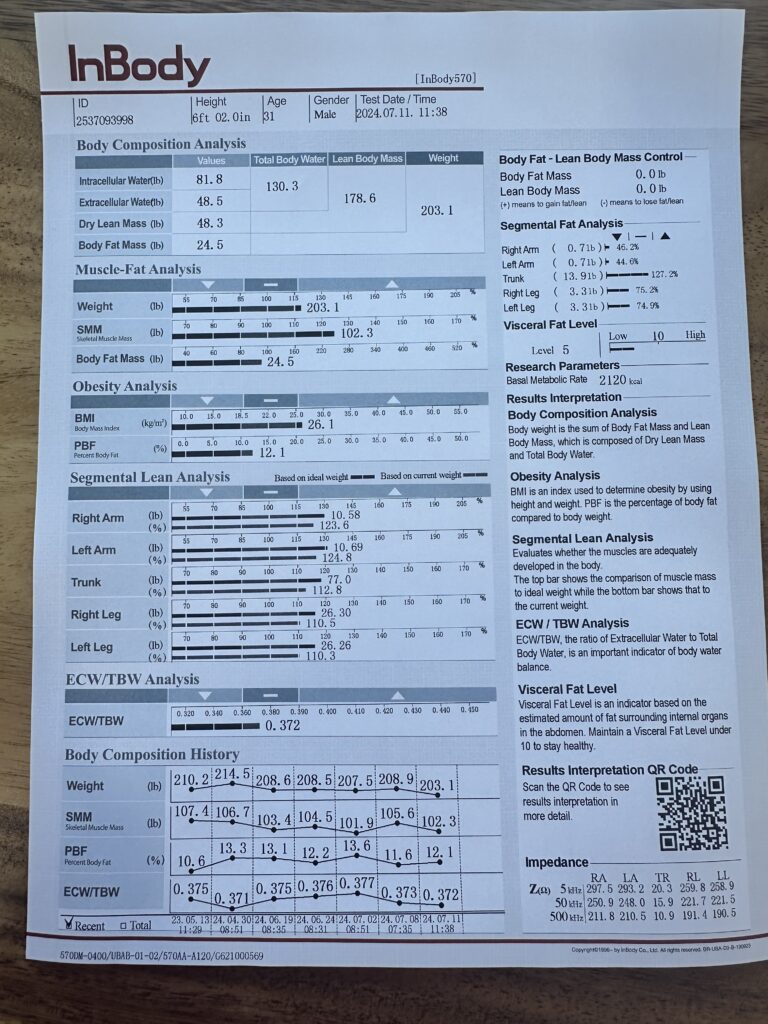
Here is the part most people miss. When you lose weight fast on a GLP-1, some of that loss can come from muscle, not just fat. Lose too much muscle and you end up smaller but weaker, with a slower metabolism that makes the weight easier to regain the moment you stop.
That is where training and nutrition carry the load. Lifting with progressive overload signals your body to hold onto muscle while you lose fat. Eating enough protein gives it the material to do that. The medication reduces your appetite; the coaching makes sure the weight you lose is the right kind, and that it stays off. We wrote more about that in our guide to keeping muscle while losing weight on a GLP-1.
You show up, follow the program, and let the coaches handle the details. That combination is what turns a medication into a lasting result.
Frequently asked questions
Is tirzepatide better than semaglutide?
On average, clinical studies have shown greater weight loss with tirzepatide, but individual response varies and side-effect tolerance differs. The right choice depends on your labs and your provider’s recommendation, not averages.
Can I switch from one to the other?
Sometimes, but only under a provider’s guidance. Do not change medications or doses on your own.
Will I lose muscle on a GLP-1?
You can, especially if you lose weight quickly without strength training or enough protein. That is exactly why we pair any medical optimization with real coaching to protect your muscle.
Do I have to be a Sasquatch member to use the KIS Rx partnership?
Medical optimization runs through our KIS Rx partnership with provider oversight. Book a Free Zoom and we can walk you through how it fits with coaching and whether it makes sense for you.
What happens if I stop taking it?
Appetite often returns, so without the habits and muscle to hold your result, weight can come back. Building strength and nutrition skills while you are on it is what protects the outcome afterward.
Medical disclaimer
This article is for general education only and is not medical advice. Semaglutide, tirzepatide, and other medications carry risks and are not appropriate for everyone. Any decision about GLP-1 medication should be made with a licensed medical provider based on your labs and health history. Always defer to your provider.
Get the whole picture, not just a prescription
A medication can help, but it works best inside a real plan for training, nutrition, and long-term results. We coach in Redmond and Sammamish, and remotely across the US. Book a Free Zoom and let’s figure out the right approach for you.
Want a coach to talk through a plan with you?
Book a free Zoom call. We'll agree on a goal and show you what this could mean for you.
Book my free Zoom call