Stay On the Pickleball Court: Why Strength Training Keeps You Playing
Pickleball is one of the best things to happen to a lot of people over 50. It is fun, it is social, and it gets you moving. The only trouble is that the game asks a lot of your body, and if the body underneath the game is not strong, the tweaks and the sore mornings start to add up.
If you want to keep playing the way you love for years to come, the smartest move is not more court time. It is getting stronger off the court so you hold up on it.
Pickleball does not make you fit, it exposes what is missing
All those quick starts, stops, pivots, and reaches are hard on muscles and joints that have lost strength over the years. The sport does not build the base you need to play it safely. It simply demands that base and lets you know, usually through a sore knee or a strained shoulder, when it is not there.
Players who strength train tend to move better, react faster, and recover quicker between games and between days. The stronger legs are what give you that first step to the ball. The stronger core is what keeps your back happy after a long session.
Strength is how you stay quick
Speed on the court is not just about cardio. A big part of reaching a drop shot or resetting at the kitchen line is power, which is your ability to produce force quickly. That is a trainable quality, and it is one of the first things that fades if you are not working on it.
Our coaching builds both. Heavy lifts build the raw strength, and power and conditioning work turn that strength into the quick, explosive movement the game rewards. If you want to see how the different styles fit together, here are the five types of workouts we use.
The best injury prevention is a stronger body
Most pickleball injuries are not freak accidents. They are the result of asking an underprepared body to move fast and change direction over and over. Stronger muscles and tendons absorb those forces far better, which is why strength training is one of the most reliable ways to stay off the sideline.
If you used to be an athlete and feel like your body stopped cooperating somewhere along the way, you are not imagining it. We wrote about why the old approach stops working after 40 and what to do instead.
You do not have to live in the gym
Here is the part most players like. You do not need to trade your court time for gym time. Three focused strength sessions a week is enough to hold up better and play more, not less. We explained why three days a week is enough if you want the reasoning.
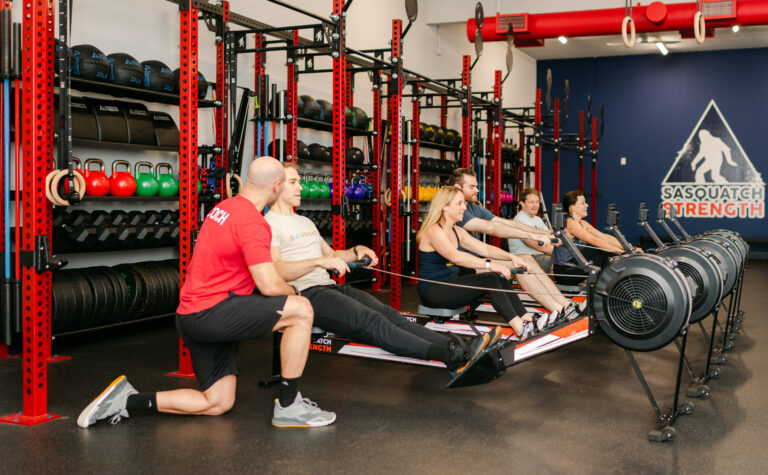
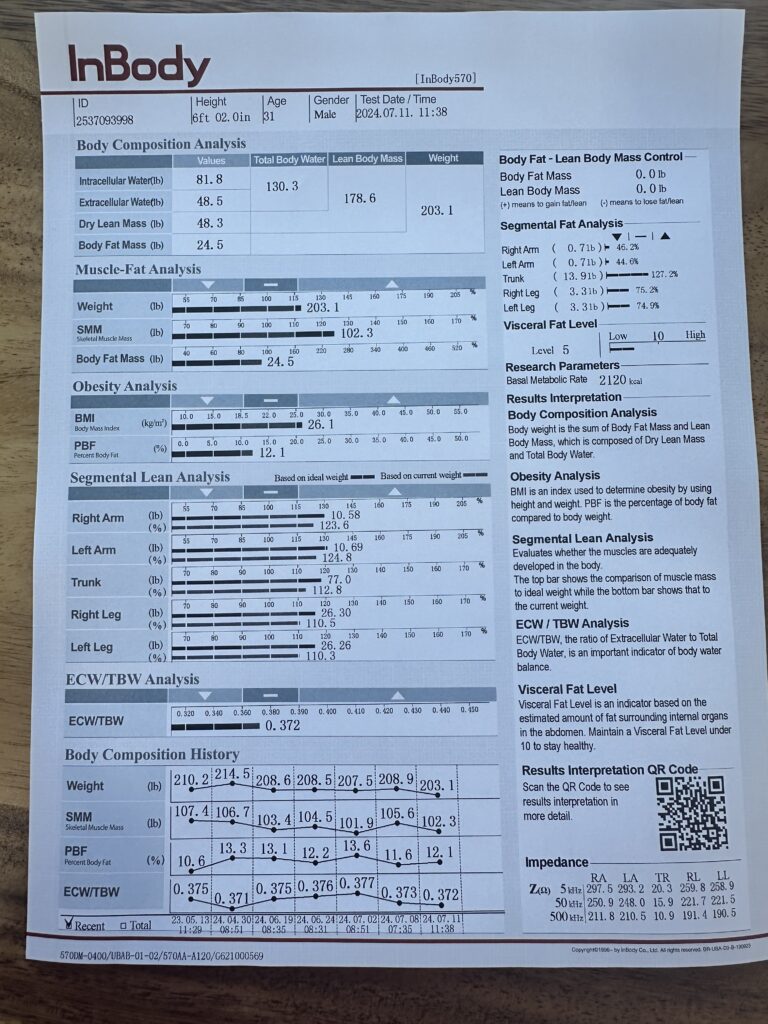
A coach guides every session, corrects your form, and builds the plan around your game and your schedule. You track your own numbers and you get an InBody scan whenever you want so you can see your strength base growing over time.
Train near your usual courts
We coach in person at our Redmond and Sammamish gyms, a short drive from most of the Eastside pickleball scene. We also coach remotely, so if you travel for tournaments or spend part of the year somewhere warmer, your program comes with you.
Frequently asked questions
Will strength training make me slower on the court?
No. Done right, it makes you quicker. Strength and power training improve your first step and your ability to change direction, which is exactly what the game demands.
I am over 60. Is it safe to start lifting for pickleball?
Yes. A coach starts with your current ability, teaches proper form, and loads you gradually. Many of our members over 60 are stronger now than they were a decade ago.
How often do I need to train to see a difference on the court?
Three focused sessions a week is plenty. You should feel steadier and more durable within a few weeks, with bigger gains over the following months.
I keep getting the same nagging injury. Can this help?
Often, yes. Building strength around the area and fixing how you move takes load off the spot that keeps flaring up. Tell your coach about it and check with your doctor on anything persistent.
Can I keep playing pickleball while I train?
Yes, and you should. The goal is to support your play, not replace it. Your coach will balance the training so you feel fresh for your games.
Keep playing the game you love
A stronger body is what lets you play hard, recover fast, and stay on the court for the long run. Book a Free Zoom and we will build a plan around your game, at our Redmond or Sammamish gyms or wherever you play.
Want a coach to talk through a plan with you?
Book a free Zoom call. We'll agree on a goal and show you what this could mean for you.
Book my free Zoom call