The Workouts That Always Worked Stopped Working. After 40, the Rules Changed.
You used to be an athlete. You knew how to train, you pushed hard, and your body responded. Then somewhere after 40, the workouts that always worked stopped working. Same effort, less return. You are not slipping and you did not lose your discipline. The rules changed, so the training has to change too. Here is what actually shifted and what to do about it.
What changed after 40
A few things are different now, and they are normal. You recover slower, so hammering yourself six days a week the way you did at 25 digs a hole instead of building you up. Your body holds onto muscle less easily, so if you are not training for it on purpose, strength quietly slips every year. And old injuries and stiff joints mean sloppy movement costs you more than it used to.
None of that means you are done. It means the approach that worked on a 25-year-old body is the wrong tool now. Train for the body you have today and it responds just fine.
Why just doing more does not work anymore
The instinct for a former athlete is to go harder. More volume, more sweat, more days. At this age that usually backfires. You get beat up, something flares, you take time off, and you lose the consistency that actually drives progress.
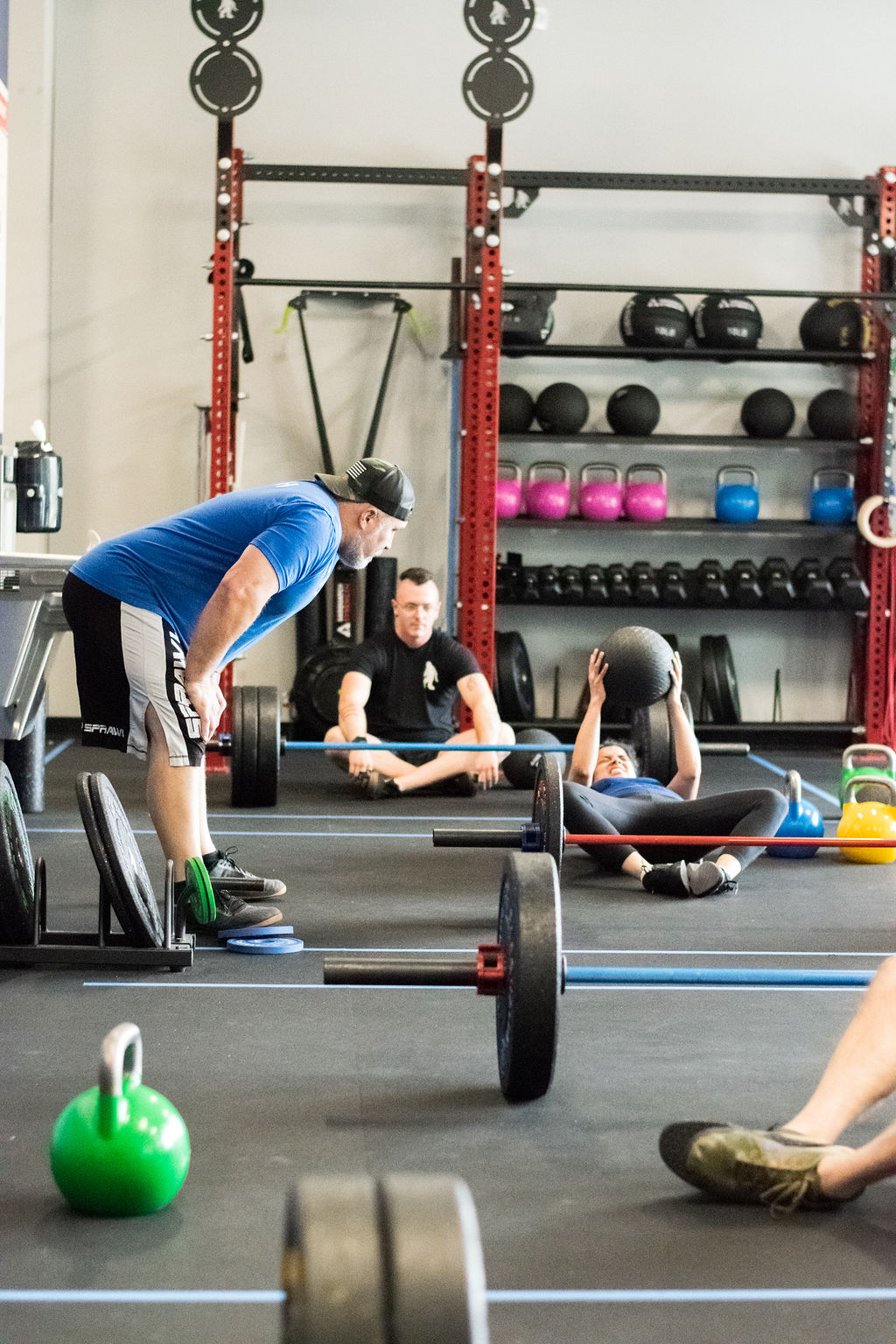
What works now is smarter, not just harder. Heavy enough to build real strength, structured so you recover between sessions, and built around clean movement so you stay healthy. We train five qualities on a rotation, strength, endurance, skill, power, and conditioning, so you cover everything without grinding one system into the ground. You can read how those fit together in the five types of workouts explained.
Strength is the one that matters most now
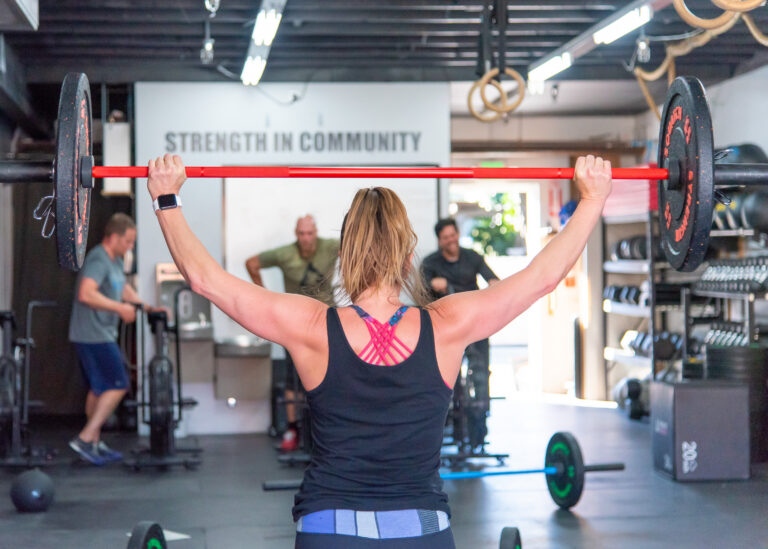
If you train for one thing after 40, make it strength. It is the quality that fades fastest and the one that protects everything else, your joints, your metabolism, your ability to stay active and keep doing the sports you love. The good news is strength comes back quickly when you train it, even if you have been off for years. If that is you, start with how to start strength training when you have not worked out in years.
Energy and recovery matter too. If you have noticed your drive and your pace falling off, part of that can be trained and part of it is worth checking. We wrote about that in low energy after 40 and what strength training actually does.
You do not need to figure this out alone
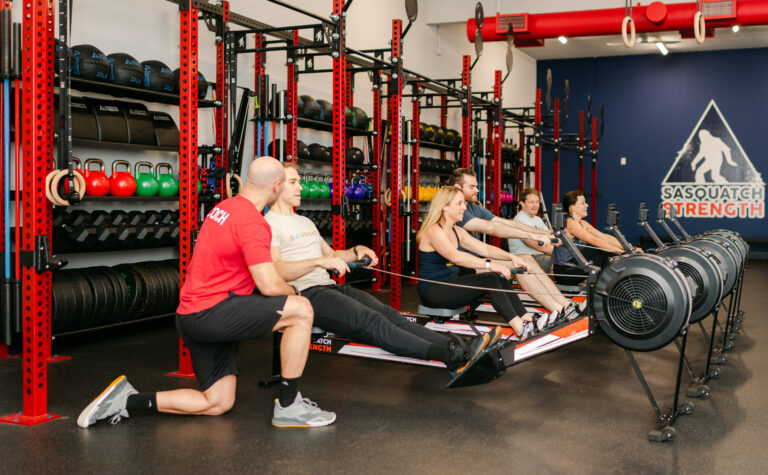
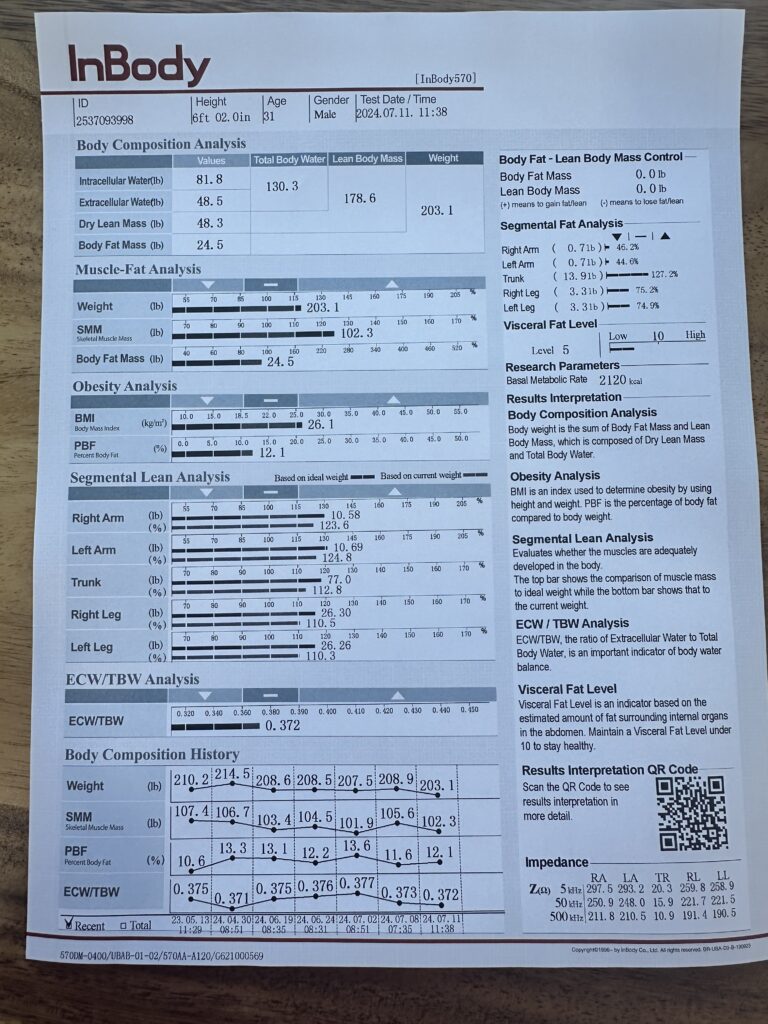
You already know how to work hard. What changes the result now is a program built for where your body actually is, not where it was fifteen years ago. Your coach sets the weights, manages your recovery, corrects movement that got sloppy, and tracks your numbers so progress is measured instead of guessed. Most people feel better within a few weeks, which lines up with what we laid out in how long it takes to see results. We coach in Redmond and Sammamish and remotely anywhere in the US.
Frequently asked questions
I used to train hard. Will this feel too easy?
No. It will feel challenging, just applied smarter. The intensity is there, it is scaled to your recovery so you can keep showing up instead of breaking down.
I have some old injuries. Can I still do this?
Yes. Coaching around old injuries is routine. We build movement quality in from the start so you train around issues and often clean them up along the way.
How many days a week do I need?
Three focused sessions a week is enough to rebuild real strength when the programming is right and you stay consistent.
How long before I feel like myself again?
Most people feel better in a few weeks and see clear strength gains within a couple of months, as long as they stay consistent.
Train for the body you have now
The athlete is still in there. Give it a program built for today and it shows up. Get on a quick call and we will put it together with you.
Want a coach to talk through a plan with you?
Book a free Zoom call. We'll agree on a goal and show you what this could mean for you.
Book my free Zoom call