How to Keep the Weight Off After You Come Off a GLP-1
GLP-1 medications can help people lose a lot of weight. The harder question is what happens after. A lot of people regain much of what they lost within a year or two of stopping, and it’s discouraging when you’ve worked that hard.
The good news is that regain isn’t a given. What you do while you’re on the medication, and the habits you carry off it, decide whether the results hold. Here’s how to keep the weight off for good.
Why the weight tends to come back
GLP-1s work largely by reducing appetite. You eat less, so you lose weight. When you stop, your appetite returns, and if nothing else has changed, the old eating patterns come back with it.
That’s the trap. The medication does a job while you take it, but it doesn’t teach your body or your habits anything on its own. If the only thing that changed was the drug, then removing the drug removes the result. Keeping the weight off means building something underneath it that lasts.
The muscle problem nobody warns you about
When you lose weight quickly, especially with appetite suppressed and protein often low, a chunk of what you lose is muscle, not just fat. Muscle is the engine of your metabolism, so losing it quietly lowers the number of calories you burn every day.
That’s why some people come off a GLP-1 lighter but softer, and why the weight snaps back so easily. Less muscle means a slower metabolism, which means the same meals that used to maintain your weight now add to it. Protecting muscle while you lose fat is the whole game, and we walked through it in how to build muscle on a GLP-1.
Build muscle now so your metabolism holds
Strength training is the single most important thing you can do while on a GLP-1 and after. Lifting tells your body to keep the muscle you have and build more, even in a calorie deficit. That protected muscle keeps your metabolism up, so when your appetite returns you have room to eat like a normal person without piling the weight back on.
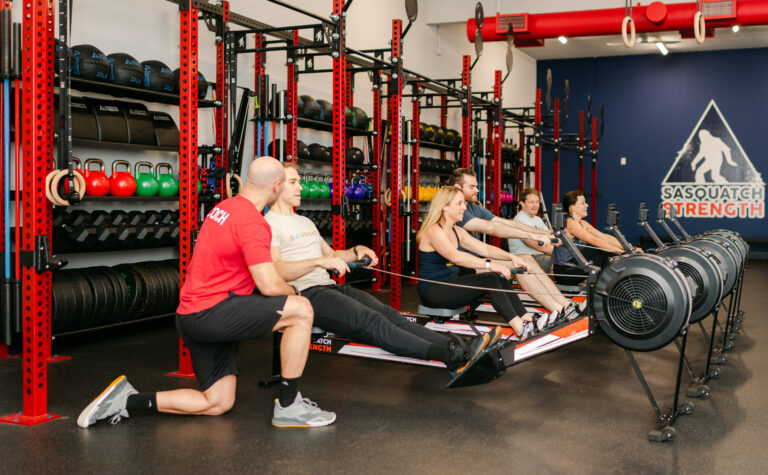
You don’t need to train every day. Three focused sessions a week with real coaching is enough to build and hold muscle. Show up, follow the program, and let a coach handle the plan and your form while your body does the adapting.
Protein first, always
When your appetite is suppressed, every bite has to count, and protein counts most. It’s what feeds muscle, and it keeps you full longer than anything else on the plate. Most people should aim to make protein the anchor of every meal.
Getting enough while eating less takes a little planning, which is why we put together a protein-first guide to eating on a GLP-1. If you want the numbers behind how much you actually need, our guide on protein for building muscle and losing fat lays it out.
Taper with medical oversight, not on your own
Coming off a GLP-1 is a medical decision, and how you do it matters. Stopping abruptly can bring appetite back like a wave, which makes regain more likely. A gradual, supervised taper gives your habits time to carry the load the medication was carrying.
Through our partnership with KIS Rx, medical optimization is handled by licensed providers, and any decision about dosing, tapering, or stopping is made by your provider based on your labs and your situation. If labs indicate and your provider approves, they’ll map out the right path for you. The point is that this is guided by medical professionals, not guesswork, and your provider always has the final say.
The habits that keep it off
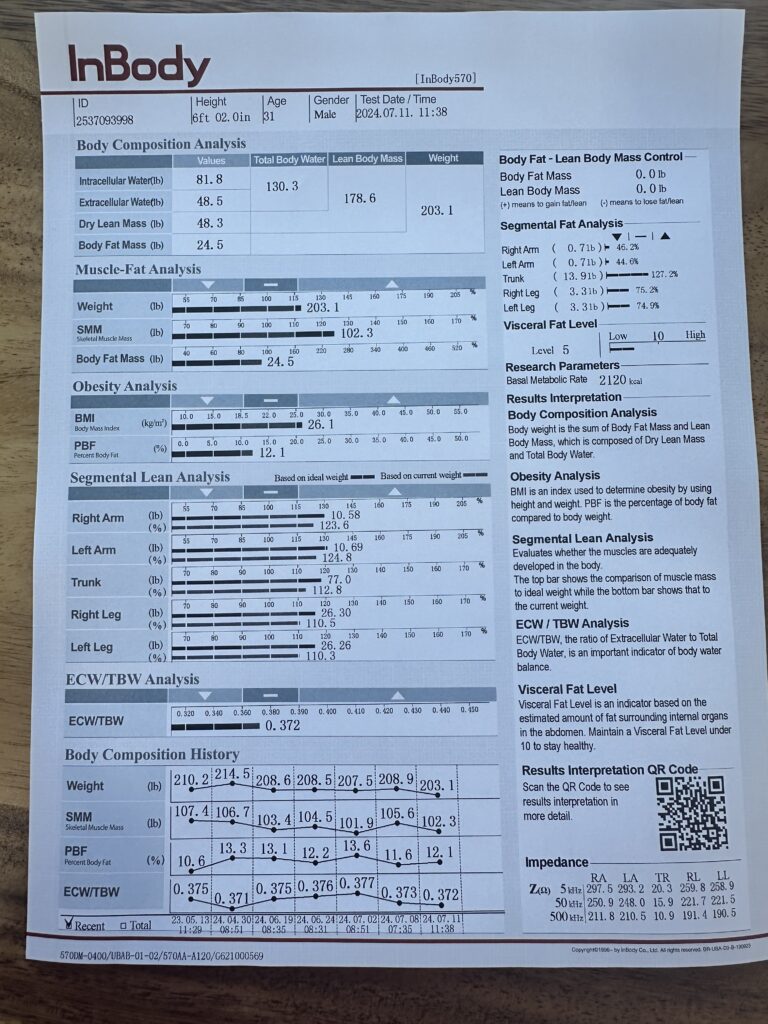
The people who hold their results all have the same thing in common. By the time they come off the medication, they’ve already built the routine that maintains their weight. They’re strength training a few days a week, eating enough protein, and they understand their own numbers instead of guessing.
That’s the difference between a temporary drop and a permanent change. The medication can open the door. The training and the habits are what let you stay on the other side of it. If the scale starts playing games during the process, remember that muscle and fat can shift even when weight doesn’t, something we covered in why the scale won’t budge but your clothes fit better.
Frequently asked questions
Will I regain everything when I stop a GLP-1?
Not necessarily. Regain is common when nothing else changed, but people who built muscle, kept protein high, and established a training routine tend to hold most of their results.
Do I have to keep taking it forever?
That’s a question for your provider, and it depends on your health and your goals. Our job is to help you build the strength, muscle, and habits that make coming off it more sustainable if and when that’s the plan.
How much should I train while coming off?
Three quality strength sessions a week is enough for most people to build and protect muscle. Consistency matters more than volume.
Can you coach me if I’m not local?
Yes. We coach at our Redmond and Sammamish gyms and offer remote coaching anywhere in the US, so you can get the training and nutrition side handled wherever you are.
Ready to get started?
If you’re on a GLP-1 or thinking about coming off one, the smartest move is to build the muscle and habits that keep the weight off before you stop. Get on a quick call and we’ll build the plan with you.
Medical disclaimer: This article is for general education and is not medical advice. GLP-1 medications, dosing, and any decision to start, taper, or stop them should be made with a licensed medical provider based on your labs and individual health. Sasquatch Strength & Nutrition provides coaching and works with KIS Rx for medical optimization; we do not replace your provider’s guidance. Always defer to your provider.
Want a coach to talk through a plan with you?
Book a free Zoom call. We'll agree on a goal and show you what this could mean for you.
Book my free Zoom call