How Nutrition Coaching Actually Works (And Why Willpower Was Never the Problem)
If you have ever lost weight and gained it back, or eaten clean for two weeks and then fallen off, you probably decided the problem was your willpower. It almost never is. The problem is that nobody taught you a system that fits your actual life. That is what nutrition coaching does, and here is how it really works.
Willpower is not the issue
Willpower is a terrible long-term strategy because it runs out. It gets you through a stressful Tuesday, a work dinner, and a rough night of sleep until one day it does not, and you are back where you started. Coaching replaces willpower with structure. When you have a plan and someone keeping you accountable, you do not have to white-knuckle every meal.
It starts with your real life, not a rigid diet
Good nutrition coaching does not hand you a meal plan that assumes you cook every night and never eat out. Your coach looks at how you actually live, what you like to eat, your schedule, and your goals, then builds targets you can hit in the real world. The plan bends to your life, not the other way around, which is exactly why it lasts.
Protein comes first
Almost everyone we coach is under-eating protein when they start. Protein keeps you full, protects your muscle while you lose fat, and is the foundation of nearly every good nutrition plan. It is usually the first thing we fix. If you want the numbers, we broke it down in how much protein you actually need to build muscle.
Nutrition and training work together
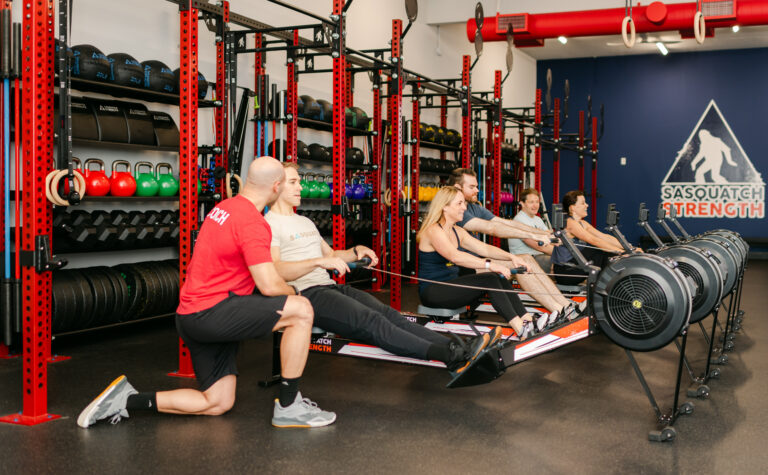
Eating well without training leaves results on the table, and training hard without eating well does the same. When they point in the same direction, everything speeds up. That is why nutrition coaching is built into most of our memberships instead of being an afterthought. Your training and your eating are one plan, not two.
You measure what is actually working
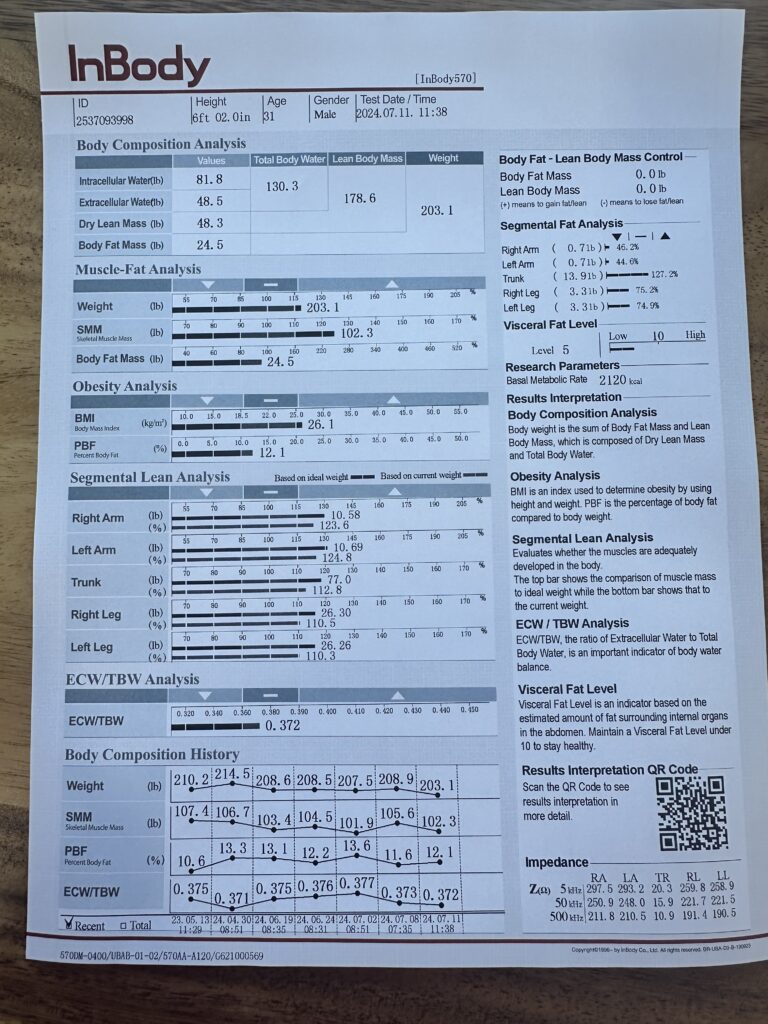
The scale is a noisy, incomplete number. It cannot tell the difference between losing fat and losing muscle, and it swings for reasons that have nothing to do with progress. That is why we use unlimited InBody scans to track what really matters: muscle gained and fat lost. Seeing the real numbers keeps you focused on the right goal. Here is how to read your InBody scan.
A coach keeps you honest
The quiet advantage of coaching is accountability. When someone is reviewing your progress and checking in, you follow through in a way you never quite manage alone. You are not being judged. You have a partner who adjusts the plan when life changes and keeps you moving when motivation dips.
Frequently asked questions
Do I have to count calories forever?
No. Tracking is a tool to learn what works for you, not a life sentence. Most people track closely at first, then shift to habits that stick without much thought.
Will I have to give up the foods I love?
No. A plan you hate is a plan you quit. Good coaching builds your favorites in and focuses on the overall pattern, not banning specific foods.
Is nutrition coaching included in membership?
Most of our tiers include nutrition coaching and supplements. The 52-Week, 24-Week, and 12-Week memberships include it. The Ready tier is training-focused without nutrition coaching.
How fast will I see results?
It depends on where you start and how consistent you are, but most people notice changes within the first several weeks, especially with regular InBody scans showing the real picture.
Can I get nutrition coaching remotely?
Yes. We coach in person in Redmond and Sammamish, and remote coaching is available anywhere in the US.
Ready to stop relying on willpower?
If eating well has always felt like a battle, it is because you were missing a system, not because you lack discipline. Book a Free Zoom and we will map out a nutrition plan that fits your life and actually sticks.
Want a coach to talk through a plan with you?
Book a free Zoom call. We'll agree on a goal and show you what this could mean for you.
Book my free Zoom call