Low Energy After 40? What Testosterone and Strength Training Actually Do
Somewhere after 40, a lot of guys notice the same thing. The energy isn’t what it was. Workouts that used to build muscle now just make you sore. The gut shows up even though nothing changed. It’s easy to write it off as getting older, but part of what you’re feeling can come down to hormones, training, and how the two work together.
Let’s look at what testosterone actually does, where strength training fits, and how the medical side works when your labs point that direction.
What testosterone actually does
Testosterone plays a role in muscle, energy, mood, and body composition. As men age, levels tend to drift down, and for some men they drop enough to matter. When that happens, building muscle gets harder, fat gets easier to store, and motivation and drive can take a hit.
That said, low testosterone is not the cause of every symptom, and it’s not a magic switch. Plenty of guys who feel flat at 45 are dealing with poor sleep, too little protein, years without real strength training, and stress. Those things affect how you feel and how your body responds, sometimes more than a number on a lab.
Strength training is the foundation, not the backup plan
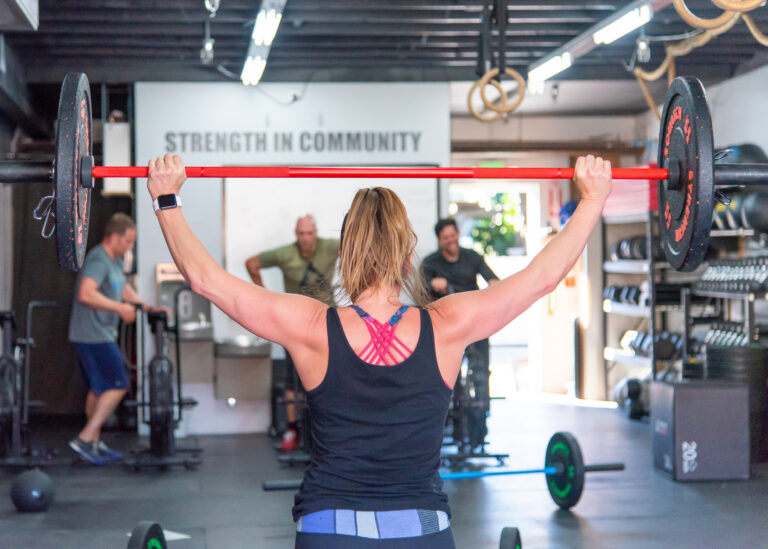
Here’s what often gets missed. Lifting weights is one of the most reliable ways to improve body composition, energy, and how you feel day to day, at any age. Progressive strength work builds muscle, supports healthy metabolism, and tends to improve mood and sleep, which feed back into everything else.
No hormone plan replaces that. If you’re not training and eating enough protein, optimizing hormones on its own leaves most of the results on the table. We wrote more about getting your engine back in losing a step after 40.
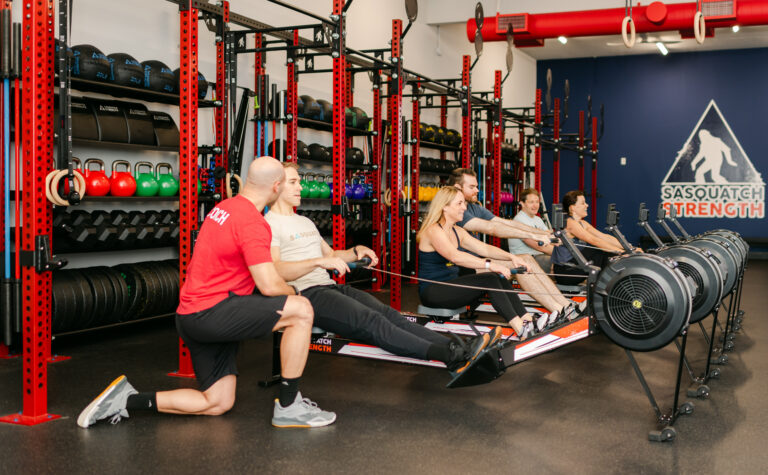
You don’t need to train every day to see this. Three focused strength sessions a week is enough to change how you look and feel when the program is built right and you stay consistent. Our coaches handle the programming and form so you can just show up and do the work.
Where medical optimization fits
Some men do benefit from medical support, and that’s where our partnership with KIS Rx comes in. If your labs indicate it and a licensed provider approves, options like testosterone therapy can be part of a plan under real medical oversight.
The order matters. This is a decision made with a provider based on your bloodwork and health history, not something you chase because you feel tired. We always defer to your provider, and medical optimization is meant to support your training and nutrition, not replace them. You can learn more through the SasRx Portal.
How to actually know what’s going on
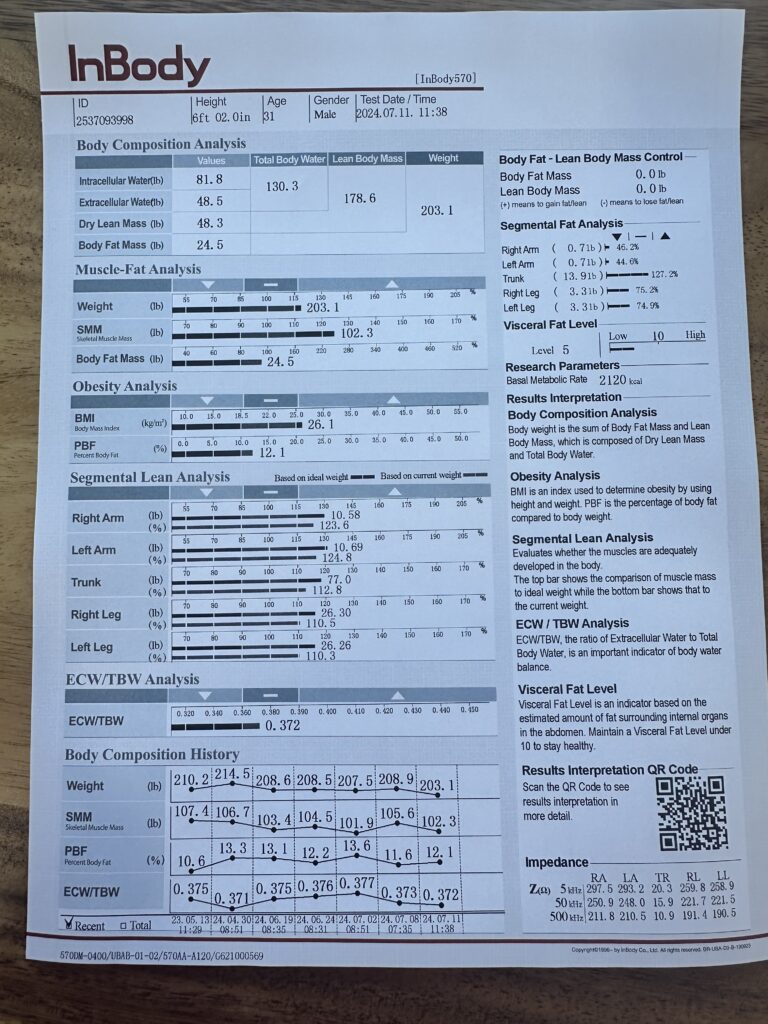
The honest answer is you don’t guess. You get bloodwork, you look at your sleep, your training, and your nutrition, and you build a plan from real information. On the training side, membership includes unlimited InBody scans, so you can track muscle and fat over time instead of relying on the mirror or the scale.
Frequently asked questions
Do I need testosterone therapy to build muscle after 40?
No. Most men build muscle after 40 with good training and enough protein. Medical optimization is only relevant if your labs indicate it and a provider approves.
Will lifting weights raise my testosterone?
Strength training supports healthy hormone function and improves how you feel and perform. It’s not a substitute for a medical evaluation, but it’s the foundation everything else builds on.
How do I know if my levels are actually low?
Bloodwork ordered and interpreted by a licensed provider. Symptoms alone aren’t enough to diagnose it, which is why we anchor any medical conversation to your labs and your provider.
Can I do this if I train remotely?
Yes. Our coaching works anywhere in the US, so you can follow a real program and, if your provider approves, coordinate the medical side too.
Medical disclaimer: This article is for general education and is not medical advice. Testosterone therapy and other medical optimization decisions should be made with a licensed healthcare provider based on your labs and health history. Always defer to your provider.
Ready to get started?
If you’re feeling flat and want a straight answer instead of guesswork, let’s talk. We’ll look at your training and nutrition, and if the medical side makes sense, point you to the right people for it.