Why Runners Keep Getting Hurt, and the Strength Work That Fixes It
You have had the knee thing. Or the IT band thing, or the achilles thing, or the shin thing. You rest, it calms down, you build back up, and a few months later something else flares. If running keeps breaking you down, the missing piece is almost always strength.
Running Is a Single-Leg, High-Repeat Impact Sport
Every stride is you landing on one leg with two to three times your bodyweight, over and over, thousands of times per run. If the muscles around your hips, knees, and ankles are not strong enough to absorb and control that load, your joints and tendons end up taking it instead. That is where overuse injuries come from.
More mileage does not fix that. It just feeds more reps into a system that cannot handle them yet. Strength training builds the tissue that can.
Strong Runners Are Durable Runners
Research and plain experience point the same way: runners who strength train get hurt less and often run faster. Stronger hips and glutes keep your knees tracking well. Strong calves and feet protect your achilles. A sturdy core keeps your form from falling apart when you get tired, which is exactly when most injuries happen.
You do not have to become a powerlifter. You need enough strength in the right places, built gradually, so your body can keep up with the miles you want to run.
What We Focus On
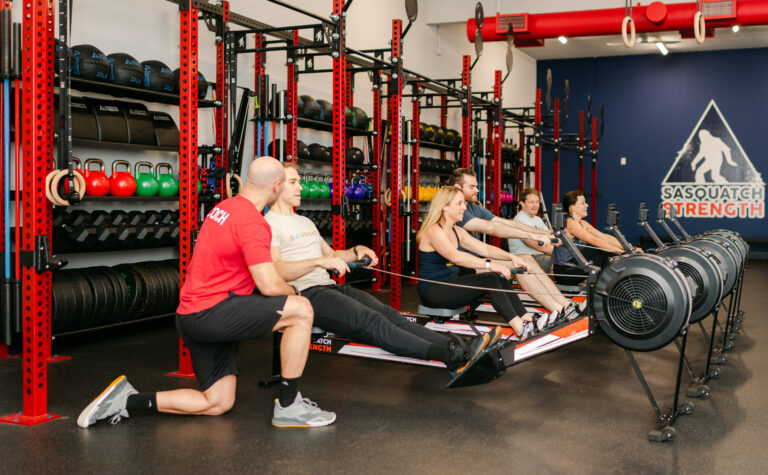
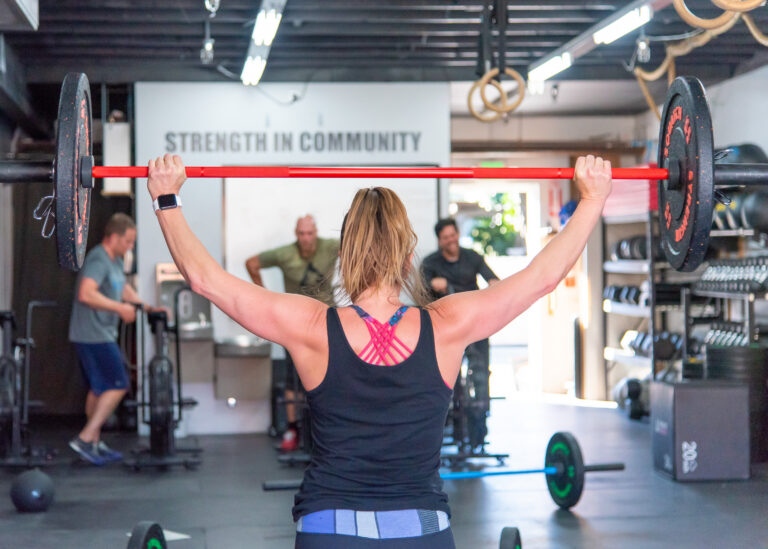
At Sasquatch, runners spend time on lower-body strength like squats, hinges, and single-leg work, plus core stability and some power. Our five workout types give you heavy strength when you need it and lighter, functional work when your legs are already cooked from a long run. The coach adjusts to your training so the gym supports your running instead of wrecking it.
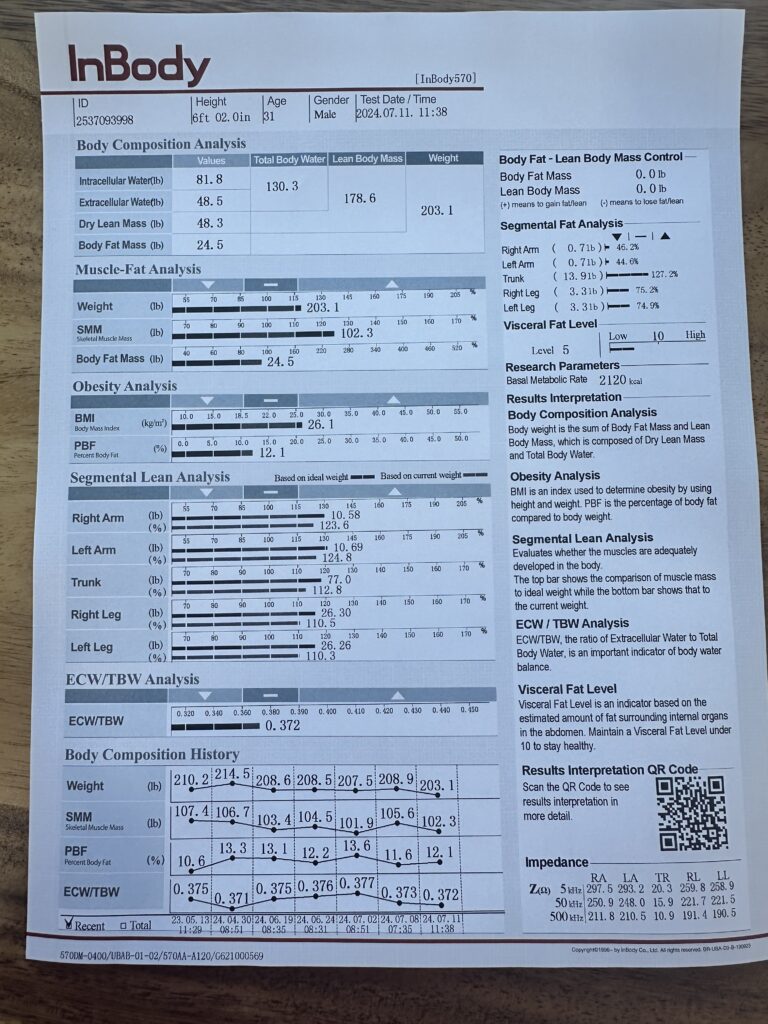
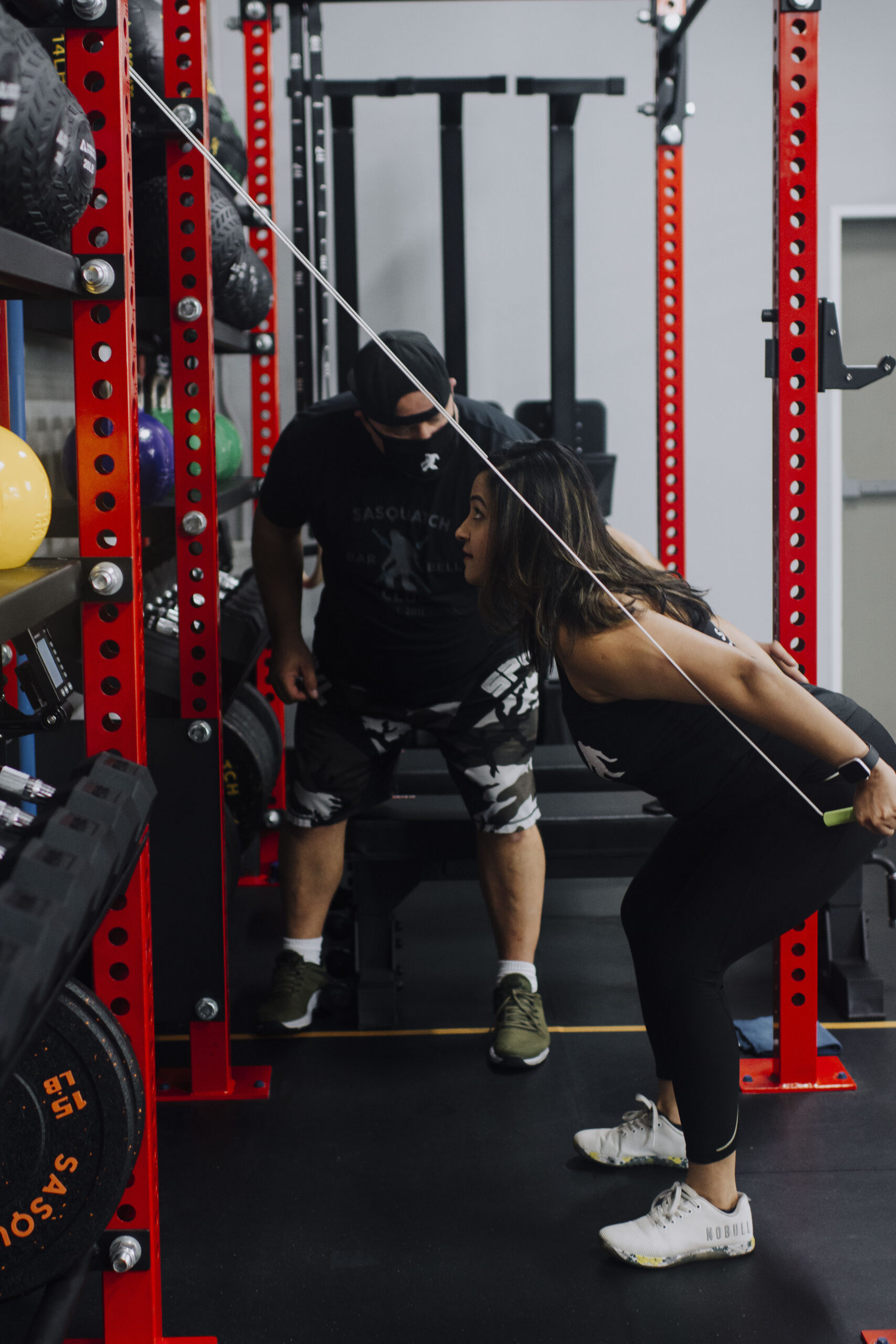
You track your numbers and watch them climb. Coaches handle your form and tell you when to push and when to back off. Three sessions a week is enough for most runners to feel the difference.
Great for Former Athletes Picking It Back Up
If you ran in your 20s and came back to it later, your engine may remember more than your joints do. Building a strength base is how you close that gap safely. We dug into that in this article on training after 40.
FAQ
Will lifting make my legs heavy and slow?
No. The right amount of strength work makes you more efficient and powerful. It does not turn you into a bodybuilder unless you train specifically for that.
Should I lift on run days or rest days?
Both can work. We time your strength sessions around your running schedule so neither one suffers. That is part of what a coach is for.
I am already injured. Can you help?
We are coaches, not medical providers, so if you are hurt we want you cleared first. Once you are, we build you back stronger than you were before the injury.
Do I need to train in person?
Our Redmond and Sammamish gyms are home base, and nearby runners are a short drive from either. If you are elsewhere, we coach runners remotely anywhere in the US.
Run the Miles You Want Without Breaking Down
You can keep rehabbing the same injuries, or you can build a body that stops getting them. If you are ready for the second one, Book a Free Zoom and we will put together a plan around your running.
Want a coach to talk through a plan with you?
Book a free Zoom call. We'll agree on a goal and show you what this could mean for you.
Book my free Zoom call