Getting Strong Before a Knee or Hip Replacement: Why Prehab Matters
If you have a knee or hip replacement on the calendar, most of your attention is probably on the surgery itself and the recovery after. But there is a window before the operation that can shape how the whole thing goes, and it often gets ignored. The stronger you walk into surgery, the better you tend to walk out of it. Trainers and surgeons call that prehab, and it is worth taking seriously.
Why the weeks before surgery matter
When a joint hurts, you naturally use it less. You stop squatting down, you favor the other leg, you skip the stairs. By the time surgery arrives, the muscles around that joint have often gotten weak from months or years of protecting it. Then surgery adds more time off your feet. If you start that recovery already weak, you have a deeper hole to climb out of.
Going in stronger flips that. More muscle around the joint gives the new one better support, your balance holds up, and the basic things like standing from a chair and climbing stairs come back faster because your body has not lost as much ground.
What you can safely work on beforehand
You do not need to train the painful joint into the ground. A good prehab plan builds everything around it. That means strengthening the other leg, the hips, the core, and the upper body so your whole system is ready to support you while you heal. It also means keeping the muscles near the joint as strong as your pain allows, within whatever range feels safe.
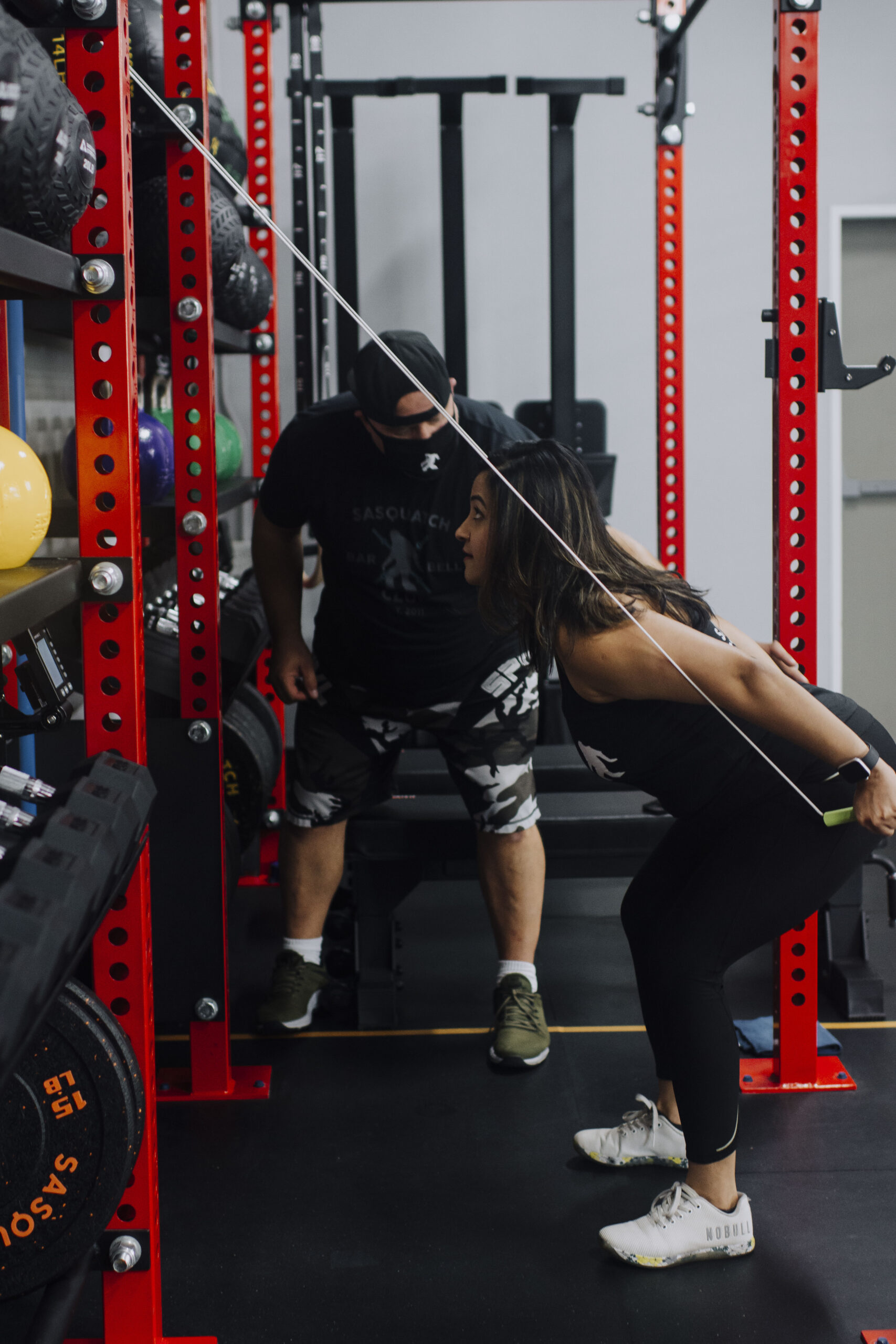
This is where coaching earns its keep. A coach can find the movements that build strength without aggravating the joint, and adjust week to week as things change. Always clear your plan with your surgeon or physical therapist first, since they know the specifics of your case. Once you have the go-ahead, strength work becomes one of the best things you can do with the waiting time.
How coached strength training helps
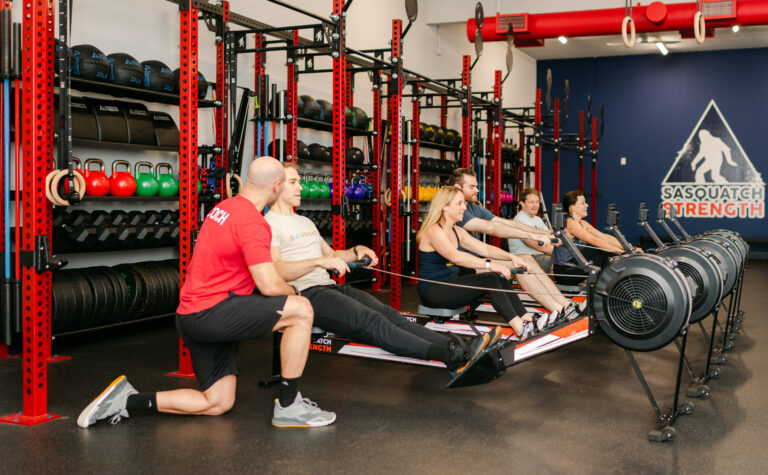
At Sasquatch, you train with a coach who builds the plan, watches your form, and keeps the load in a range that makes you stronger without setting you back. Your work spans five kinds of training, from Build for heavy compound lifts to Move for cardio and functional strength, and the plan scales to whatever your body can handle right now.
Three sessions a week is enough to make real progress before a surgery date. Results do not take as long as people expect, which we covered in how long it takes to see results from strength training. And the goal on the other side is the same one that matters for most people over 60: staying strong and independent, which we wrote about in staying strong and independent after 60.
Train near home or anywhere
Our gyms in Redmond and Sammamish are set up for coached, scalable training, and the surrounding east side towns are a short drive from either one. If traveling to a gym before surgery is hard on the joint, remote coaching is available anywhere in the US, so you can do your prehab at home with a coach guiding every session.
Common questions
Is it safe to train before a joint replacement?
For most people, strengthening the surrounding muscles is both safe and helpful, but your surgeon or physical therapist should sign off first. Once they do, a coach can build a plan that works around the joint.
How long before surgery should I start?
Sooner is better, but even a few weeks of focused work can help. If you have 90 days, you can make a meaningful change.
Will training make the joint hurt more?
A well-built plan avoids that by loading the right muscles and staying inside a safe range. If something hurts, your coach adjusts it.
What about after surgery?
Your physical therapist leads the early recovery. When they clear you for general strength work again, coached training is a great way to rebuild and keep the new joint supported.
Set up the best possible recovery
The time before surgery is an opportunity, not just a waiting room. Book a Free Zoom and we will talk through your timeline and build a plan that fits your situation.
Want a coach to talk through a plan with you?
Book a free Zoom call. We'll agree on a goal and show you what this could mean for you.
Book my free Zoom call