Strength Training for Longevity: How to Add Good Years, Not Just More of Them
Most people say they want to live longer. What they really want is to stay useful, active, and independent for as long as they are here. Extra years in a recliner are not the goal. More good years are. If that is how you think about getting older, strength training is one of the best tools you have.
The Difference Between Lifespan and Good Years
Lifespan is how long you live. The years that count are the ones where you can still carry your own groceries, get up off the floor, travel without worry, and keep up with the people you love. That stretch of capable, active living is what strength work protects.
Starting in your 30s and 40s, muscle quietly fades if you do nothing about it. That loss is a big reason older adults slow down, lose balance, and start avoiding stairs and curbs. The good part is that this is not a one-way road. Muscle responds to training at every age, including your 60s, 70s, and beyond.
What the Research Keeps Pointing To
Across study after study, two measures track closely with living longer and better: muscle strength and the amount of muscle you carry. Strong people fall less, recover from illness and surgery faster, hold onto their independence longer, and manage their blood sugar and metabolism better. You do not have to be a competitive lifter to get these benefits. You just have to train with real resistance on a regular basis.
Bone health rides along with it. The same loading that builds muscle tells your bones to stay dense, which is a major line of defense against the fractures that derail so many people later in life. We wrote more about that in our piece on strength training and bone health.
You Do Not Need to Train Like an Athlete
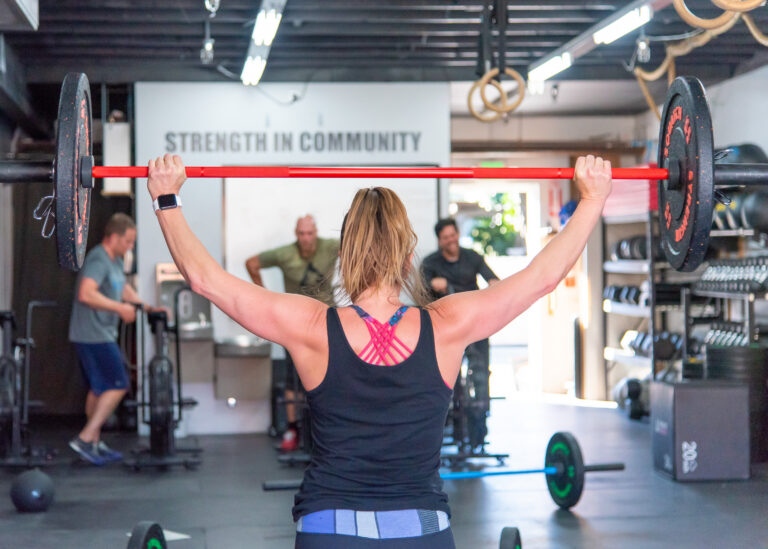
A common worry is that strength training for longevity means heavy barbells and sore joints. It does not. The dose that protects your future is surprisingly modest. Three sessions a week, done with good form and gradually getting a little harder over time, is enough to build and keep the muscle that matters.
What makes it work is consistency and coaching, not punishment. The people who hold their strength for decades are not the ones who go hardest for a month. They are the ones who keep showing up for years.
How We Build It at Sasquatch Strength
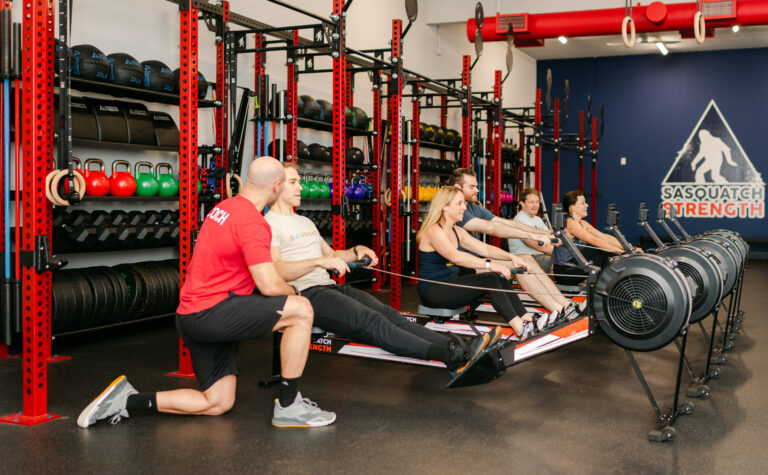
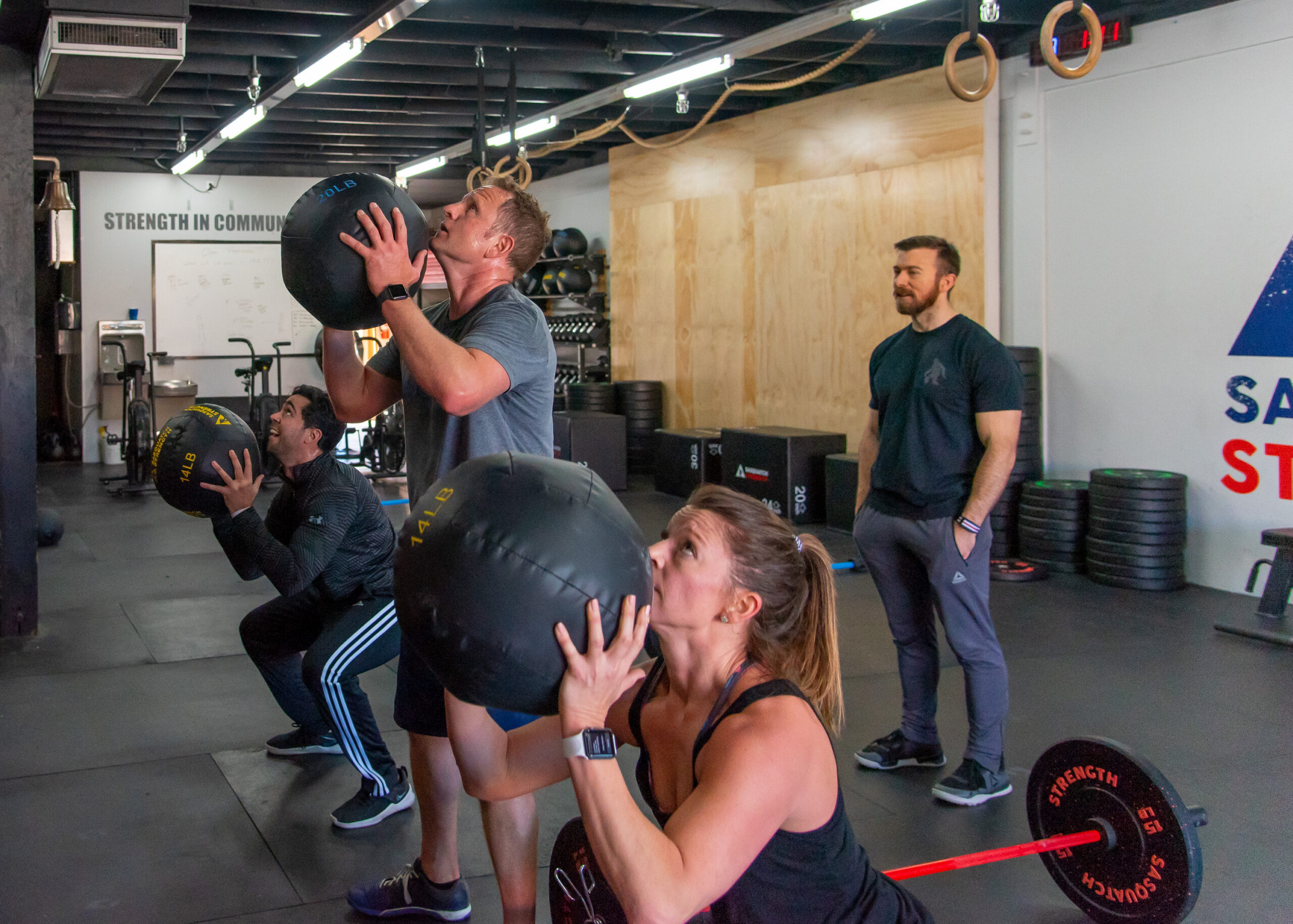
You train in a coached gym where you track your own numbers and a coach guides you, corrects your form, and nudges the weight up when you are ready. The work pulls from five styles so your body gets the full picture: Build for heavy compound lifts, Grind for muscular endurance, Skill for clean technique, Sprint for power and quick reactions, and Move for cardio and functional strength. That mix is exactly what keeps an aging body capable instead of fragile.
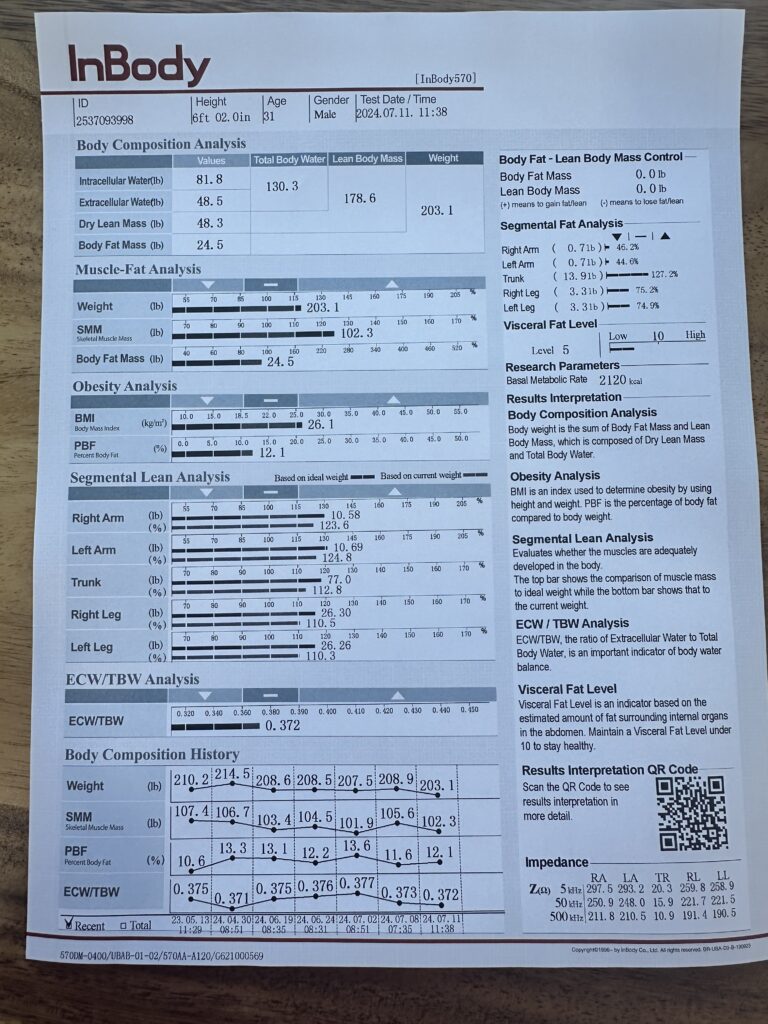
We also run unlimited InBody scans, so you can actually see muscle holding or climbing as the years go on. That is a far better long-term scoreboard than weight alone. If you are thinking specifically about staying on your own two feet as you age, our guide on staying strong and independent after 60 goes deeper.
Our gyms are in Redmond and Sammamish, and we coach members remotely anywhere in the US, so you can build this habit whether you are local or across the country.
Frequently Asked Questions
Is it too late to start if I am already in my 60s or 70s?
No. Muscle and strength improve at every age. Some of the most rewarding progress we see comes from members who started later and got years of independence back.
How often do I need to train for longevity benefits?
Three days a week is enough. Consistency over the long haul matters far more than long or frequent sessions.
Will heavy lifting hurt my joints?
Done with good coaching and the right weight for you, strength training tends to protect joints rather than harm them, because stronger muscles support and stabilize them.
What if I have old injuries or health conditions?
Your coach scales the work to your body and history. We build around what you can do and expand from there. Check with your doctor if you have specific medical concerns.
How long until I feel the difference?
Most people feel steadier and more energetic within a few weeks, with strength on common lifts climbing noticeably over the first couple of months.
Start Building Your Good Years Now
The best time to protect your strength was years ago. The second best time is this week. Let’s set up a plan that fits your life and keeps you capable for the long run. Book a Free Zoom and we will talk through where you are and where you want to be.
Want a coach to talk through a plan with you?
Book a free Zoom call. We'll agree on a goal and show you what this could mean for you.
Book my free Zoom call