GLP-1 Side Effects: How to Keep Training and Eating Well When You Start
GLP-1 medications like semaglutide and tirzepatide have helped a lot of people finally get traction with fat loss. They also come with side effects, especially in the early weeks, that can make eating well and training feel harder than usual. The good news is that most of these are manageable with the right approach. Here is how we help members in Redmond and Sammamish stay on track when they start.
Medical disclaimer: This article is for general education and is not medical advice. GLP-1 medications should only be used if your labs indicate a need and your provider approves. Always defer to your provider on medication decisions, dosing, and side effects. Sasquatch coaching works alongside qualified medical oversight, not in place of it.
The common early side effects
Most people feel some combination of reduced appetite, nausea, fatigue, and occasional digestive changes when they begin or increase a dose. These tend to ease as your body adjusts, but they can make it tempting to skip meals or skip the gym. That is exactly when a plan matters most, because how you handle these early weeks sets up whether you keep muscle or lose it along with the fat.
Protect your protein, even when you are not hungry
When appetite drops, the first thing people tend to cut is food in general, which usually means protein falls short. That is a problem, because protein is what protects your muscle while you lose weight. Losing muscle makes you weaker and slows your metabolism, which is the opposite of what you want. We help members hit a protein target every day even when they do not feel like eating, often through smaller, protein-forward meals and easy options like shakes. You can read more in our guide to [PILLAR-LINK-PROTEIN-GLP1].
Keep lifting to keep your muscle
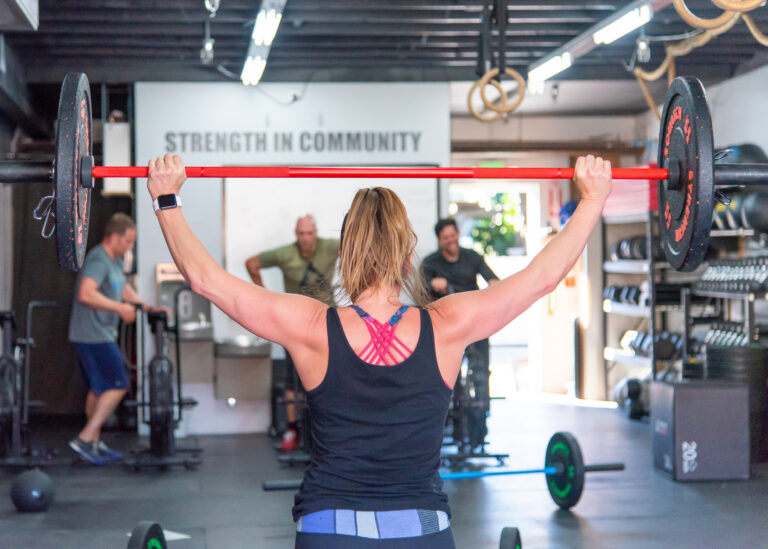
Strength training is the other half of protecting muscle on a GLP-1. The medication helps you eat less, but lifting is the signal that tells your body to hold onto muscle while the fat comes off. You do not need to train hard every day. Three sessions a week of smart, progressive strength work is enough to make a real difference. On low-energy days, your coach can scale the session so you still get the benefit without wrecking yourself.
Manage nausea and energy around your workouts
Timing helps. Many people feel best training a few hours after a light, protein-containing meal rather than on a full or empty stomach. Staying hydrated and not pushing into intensity on your worst days also goes a long way. Sprint and Build days might land better when you are feeling strong, while Move or Skill days can be a gentler fit when energy is low. Your coach helps you read your body and adjust.
You do not have to figure this out alone
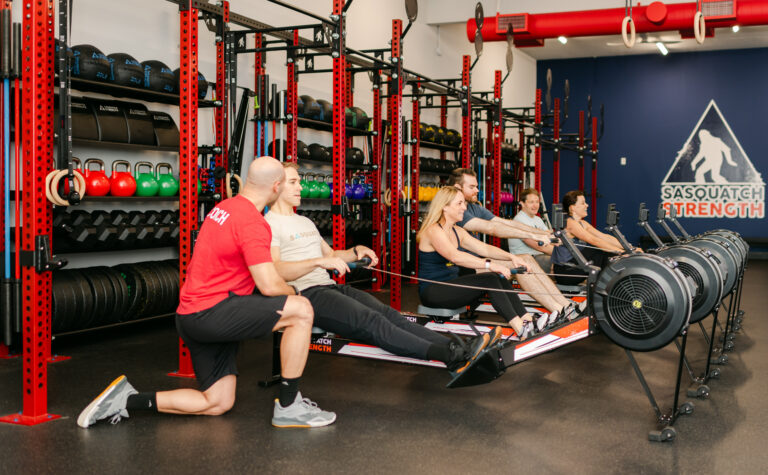
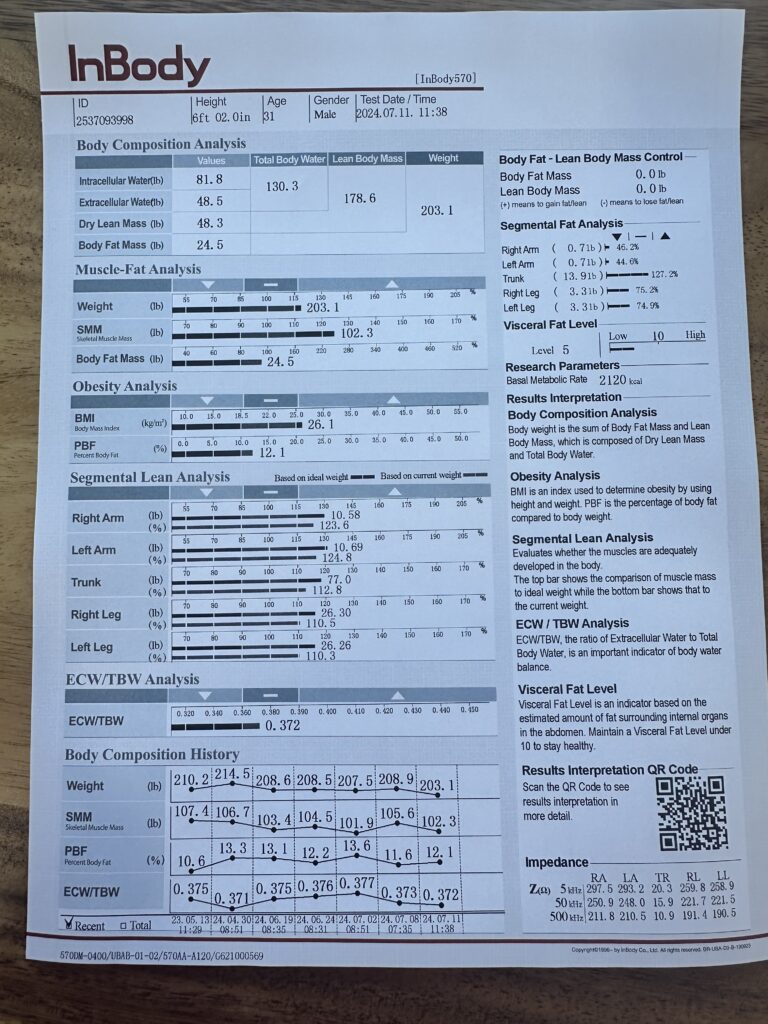
This is where having a coach really pays off. You track your numbers, your coach guides you, corrects your form, and adjusts your plan as your appetite and energy shift week to week. Every membership also includes unlimited InBody scans, so you can confirm you are losing fat and keeping muscle rather than guessing from the scale. More on that in [PILLAR-LINK-INBODY-SCANS].
Thinking about the medical side?
For members who want to explore medical optimization, we partner with KIS Rx so any GLP-1 decisions happen under proper provider oversight, if labs indicate and your provider approves. You can learn more through the SasRx Portal at portal.kisrx.com. The medical piece always stays with your provider. Our job is the training and nutrition that make the medication work as well as it can.
Frequently asked questions
Should I stop training when side effects hit?
Usually no, but you should scale. A lighter, shorter session often beats skipping entirely. Talk to your provider about any side effects that concern you.
How much protein do I need on a GLP-1?
It varies by body weight and goals, but most people need more than they manage when appetite is low. A coach helps you set and hit a realistic target.
Will I lose muscle on these medications?
You can if you do not train and eat enough protein. Strength training plus adequate protein is how you hold onto muscle while losing fat.
How do I know the medication is working the way I want?
Unlimited InBody scans let you track fat loss and muscle retention over time, which is far more useful than the scale alone.
Do you coach people on GLP-1s in Redmond and Sammamish?
Yes. We coach in both locations and remotely across the US, and we coordinate with medical oversight through our KIS Rx partnership.
Let us help you start strong
If you are starting a GLP-1 or thinking about it, the training and nutrition around it make all the difference. Book Your Free Consult. It is 30 minutes, includes an InBody scan, and you leave with a clear plan to lose fat while keeping the muscle that matters.