How to Break Through a Strength Training Plateau
You were making progress, the weights kept going up, and then it stopped. The bar feels heavy at numbers that used to move easily. A plateau is frustrating, but it is also normal, and it usually points to something fixable. Here is what is going on and how to start moving again.
What a plateau actually is
A plateau is just your body adapting to what you keep asking of it. In the early months, almost any training works because everything is new. Once you are no longer a beginner, your body needs a clearer reason to keep getting stronger. If the stimulus stops changing, so does your progress.
The good news is that a plateau is information, not a wall. It tells you something in your training, recovery, or nutrition needs attention.
Check your progressive overload
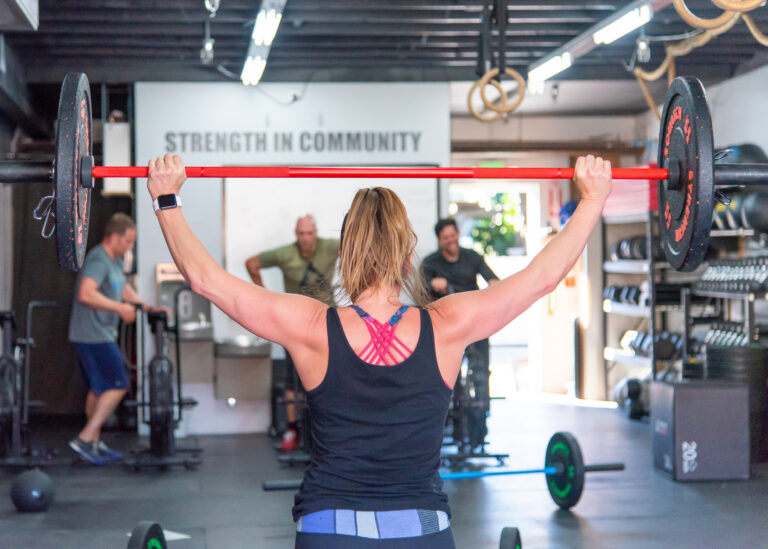
Strength comes from progressive overload, which means gradually asking your muscles to do more over time. That can be more weight, more reps, better control, or shorter rest. If you have been lifting the same weight for the same reps for weeks, there is nothing pushing you forward.
This is the heart of Build-style training at Sasquatch, heavy compound lifts with a planned progression. The key word is planned. Random heavier days do not build strength the way a structured climb does. For the bigger picture, see our guide to [PILLAR-LINK-STRENGTH-TRAINING-REDMOND].
Look at recovery, not just effort
More effort is not always the answer. Strength is built when you recover from training, not during it. If you are short on sleep, under-eating, or training the same lifts hard with no easier days, your body never gets the chance to adapt.
Sometimes the fix for a plateau is a lighter week, more sleep, or more food, not more grinding. Pulling back on purpose can let progress catch up.
Feed the work
You cannot build much muscle or strength in a steep calorie deficit with low protein. If your numbers stalled around the same time your eating got loose or your dieting got aggressive, that is worth a hard look. Protein and enough total food give your body the raw material to keep adapting.
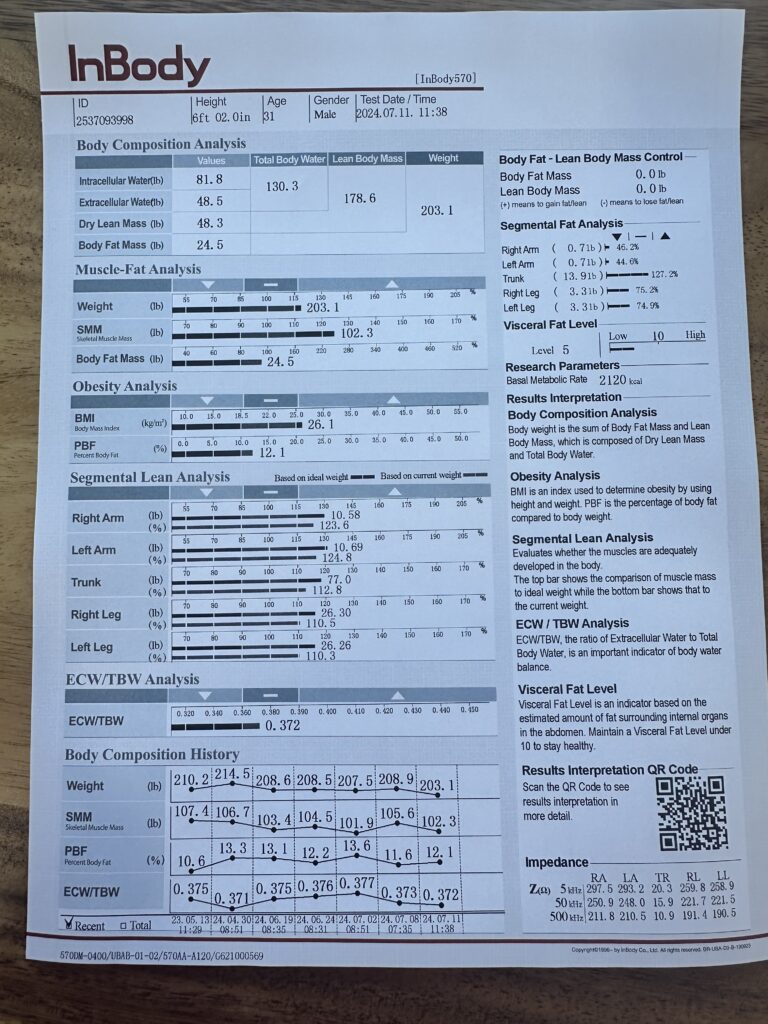
This is where having a coach watch the whole picture helps. Nutrition coaching is built into most Sasquatch memberships, and unlimited InBody scans let you see whether you are holding muscle while you push.
Change the stimulus, with intent
If your lifts are stuck, varying the stimulus can help. That might mean shifting rep ranges, adding Grind-style endurance work, sharpening technique with Skill sessions, or adding power with Sprint work. The point is not random variety. It is choosing the right change for what has stalled.
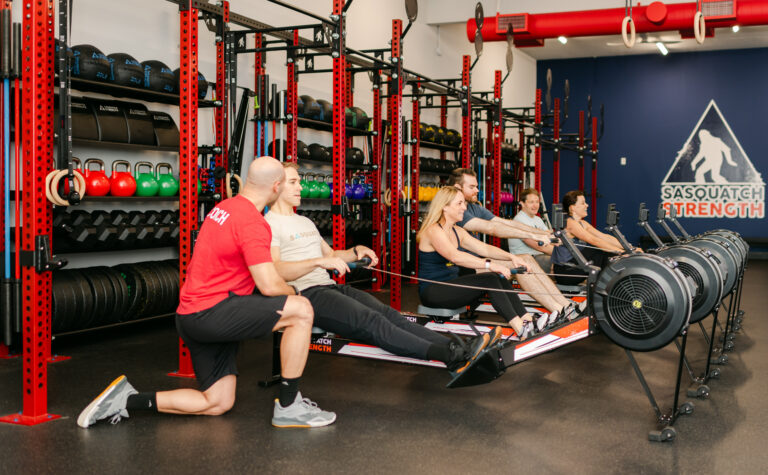
This is exactly the kind of decision your coach handles at Sasquatch. You show up and follow the program, track your numbers, and let the coach adjust the plan so you keep climbing.
Frequently asked questions
How long is normal before a plateau?
It varies, but many people see fast early gains for several months, then progress slows and needs more deliberate programming.
Should I just add more weight every session?
Not blindly. Progression should be planned and matched to your recovery, or you risk stalling or getting hurt.
Can too much training cause a plateau?
Yes. Without enough recovery, sleep, and food, hard training stops paying off. Sometimes less is the fix.
Does nutrition really affect strength gains?
A lot. Low protein or an aggressive deficit can stall progress no matter how hard you train.
How can a coach help me break through?
A coach spots what is stuck, adjusts your programming and recovery, and keeps your progression honest so you start moving again.
Get unstuck with a plan
Book Your Free Consult. It takes 30 minutes and includes an InBody scan, so a coach can see where you are and help you build the path forward. Book your free consult here.