Back From Surgery or PT? Rebuild Strength Without Getting Hurt Again
Physical therapy gets you out of pain and back to daily life. That is its job, and it does it well. But most people finish PT still a long way from strong. You can climb the stairs and carry the groceries, yet the leg or shoulder that was repaired is weaker than its partner, and you are quietly afraid of reinjuring it. So you hold back, the weakness lingers, and the body never fully comes back.
There is a gap between finishing rehab and being strong again, and strength training is how you close it. Done right, it is also the best insurance against ending up back on the operating table.
Why PT is the start, not the finish
Physical therapy is designed to restore basic function and get you discharged safely. It is not designed to make you strong. By the end you have your range of motion and you can handle normal life, but the muscle around the repair is often still underbuilt and uneven. That lingering weakness is what leads to the limp that never quite goes away, the shoulder that cannot carry a load, and the second injury down the road.
Strength work picks up exactly where PT leaves off. It takes the function you regained and turns it into something durable.
Rebuild without getting hurt again
The fear of reinjury is real and reasonable. The way past it is not to avoid loading the joint, it is to load it correctly and gradually under a coach who knows what they are watching. Muscle and tendon get stronger when you ask a little more of them over time. The key words are a little and over time. Rush it and you set yourself back. Skip it and you stay fragile.
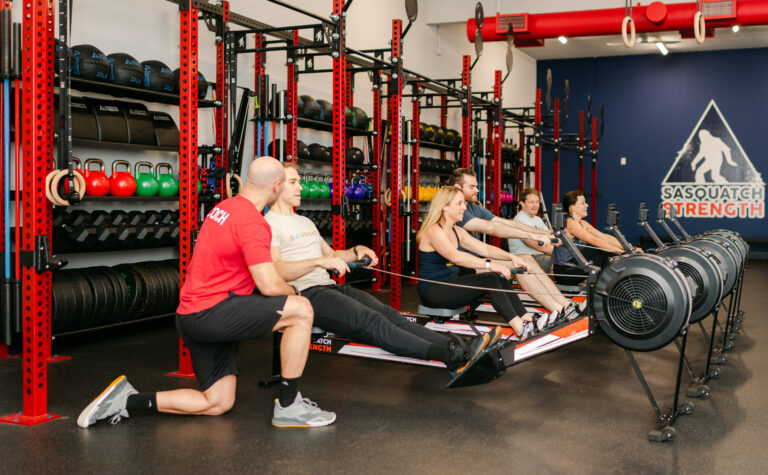
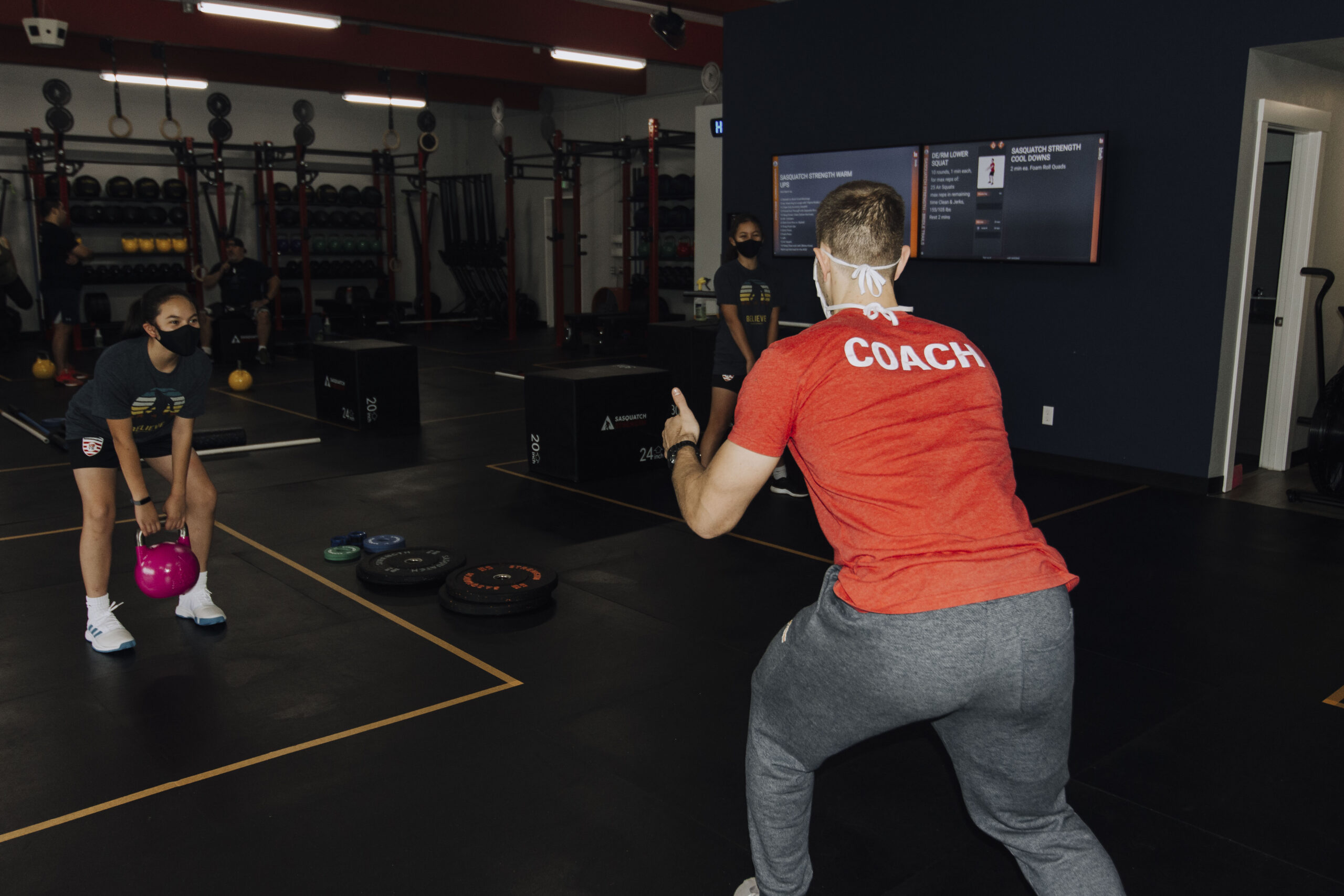
This is why a coach matters more here than almost anywhere. At Sasquatch your coach corrects your form and controls how fast the load climbs, so you build strength without flaring up the area that was repaired. You track your own numbers, so you can see the weak side catching up to the strong one week by week.
How the training is built
Our coaching runs on five kinds of training, and after surgery we lean on the ones that rebuild safely. Build develops the foundational strength around the joint. Skill keeps your movement clean so you are not compensating in ways that cause new problems. Move brings back conditioning without pounding the area. As you prove you can handle more, the plan progresses. Nothing is random, and nothing is rushed.
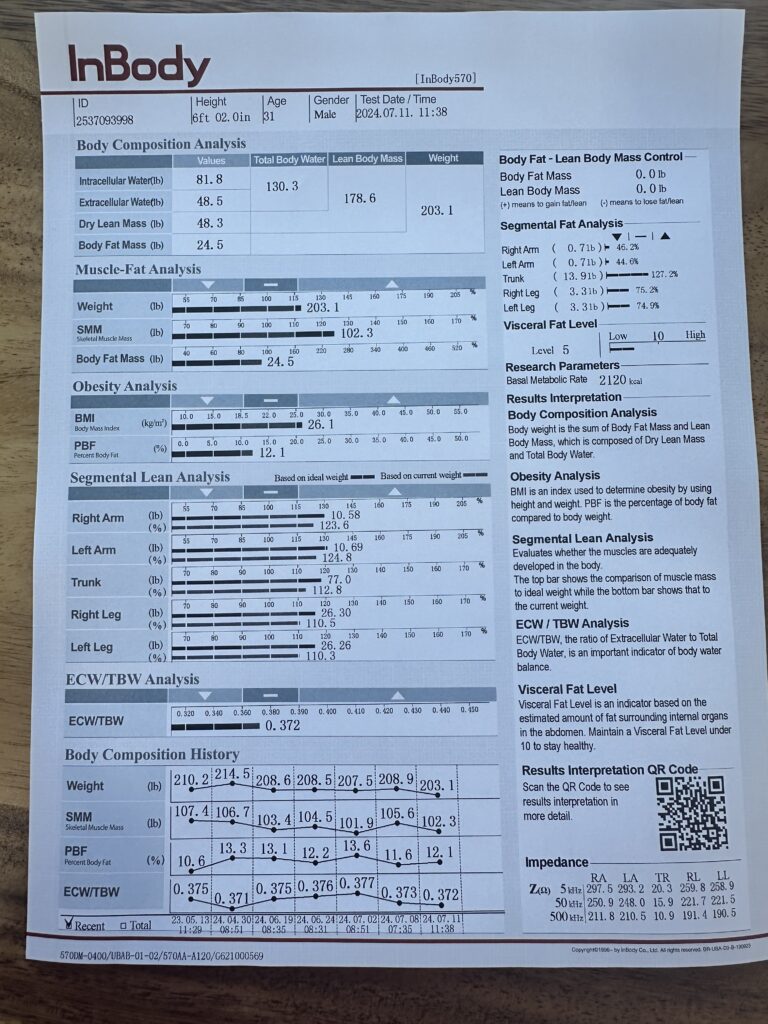
Unlimited InBody scans help here too, because surgery and downtime usually cost you muscle, often more on the injured side. The scans let you confirm you are rebuilding lean mass and evening out, not just feeling your way through it.
The same idea works before surgery too
If you are reading this before a planned knee or hip replacement rather than after one, the same logic applies in reverse. The stronger you go in, the better and faster you come out. We wrote a full guide on that in getting strong before a knee or hip replacement.
And if your larger goal is simply to stay capable and independent as you age, strength is the thread that runs through all of it. Here is how strength training keeps you moving and independent after 60.
You can train with us at our Redmond or Sammamish gyms, both a short drive from the surrounding Eastside, or work with a coach remotely from anywhere in the country. If you are coming off a procedure, we will coordinate with where your PT left off so the handoff is smooth.
Common questions
Should I finish PT before I start strength training?
In most cases yes. Finish your prescribed rehab and get cleared by your provider, then we build strength from there. We are the next step after PT, not a replacement for it.
Is it safe to lift on a repaired joint?
When it is loaded correctly and progressed slowly under a coach, yes. Appropriate loading is how the tissue gets stronger. The risk comes from doing too much too soon on your own.
What if one side is much weaker than the other?
That is common after surgery and exactly what we work on. The coach uses movements that let the weak side catch up without the strong side taking over.
How long until I feel strong again?
It depends on the procedure and where you are starting, but most people feel real gains within the first several weeks of consistent, well-coached training.
Do I need a doctor’s clearance?
Yes. Please get cleared by your surgeon or provider before starting, and we will build the plan around their guidance.
Close the gap
PT got you functional. Strength training gets you back. Let us pick up where your rehab ended and rebuild you all the way.
Book a Free Zoom and we will build a plan that gets you strong without getting you hurt.
Want a coach to talk through a plan with you?
Book a free Zoom call. We'll agree on a goal and show you what this could mean for you.
Book my free Zoom call