Strength Training and Bone Health: Building a Body That Holds Up as You Age
Bone is living tissue. It responds to the demands you put on it, which means the right kind of training can help you keep it strong as you age. Most people think of bone loss as something that just happens with the years. A lot of it comes down to how much you ask of your body along the way.
How strength training supports your bones
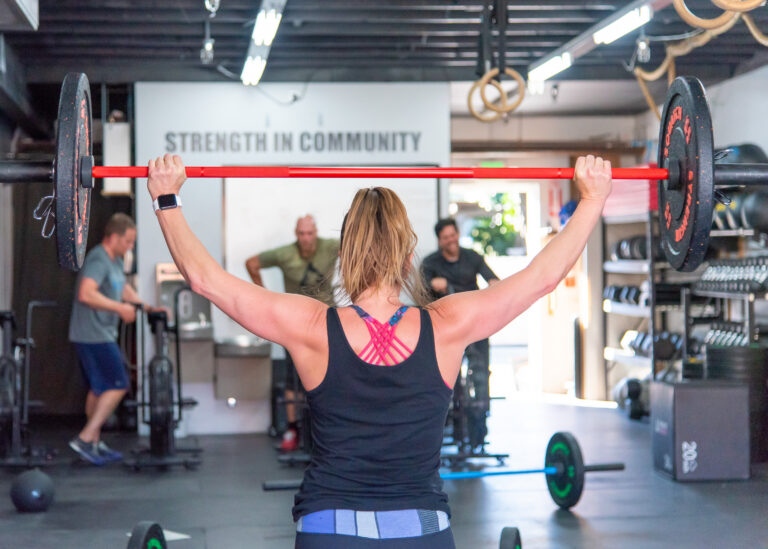
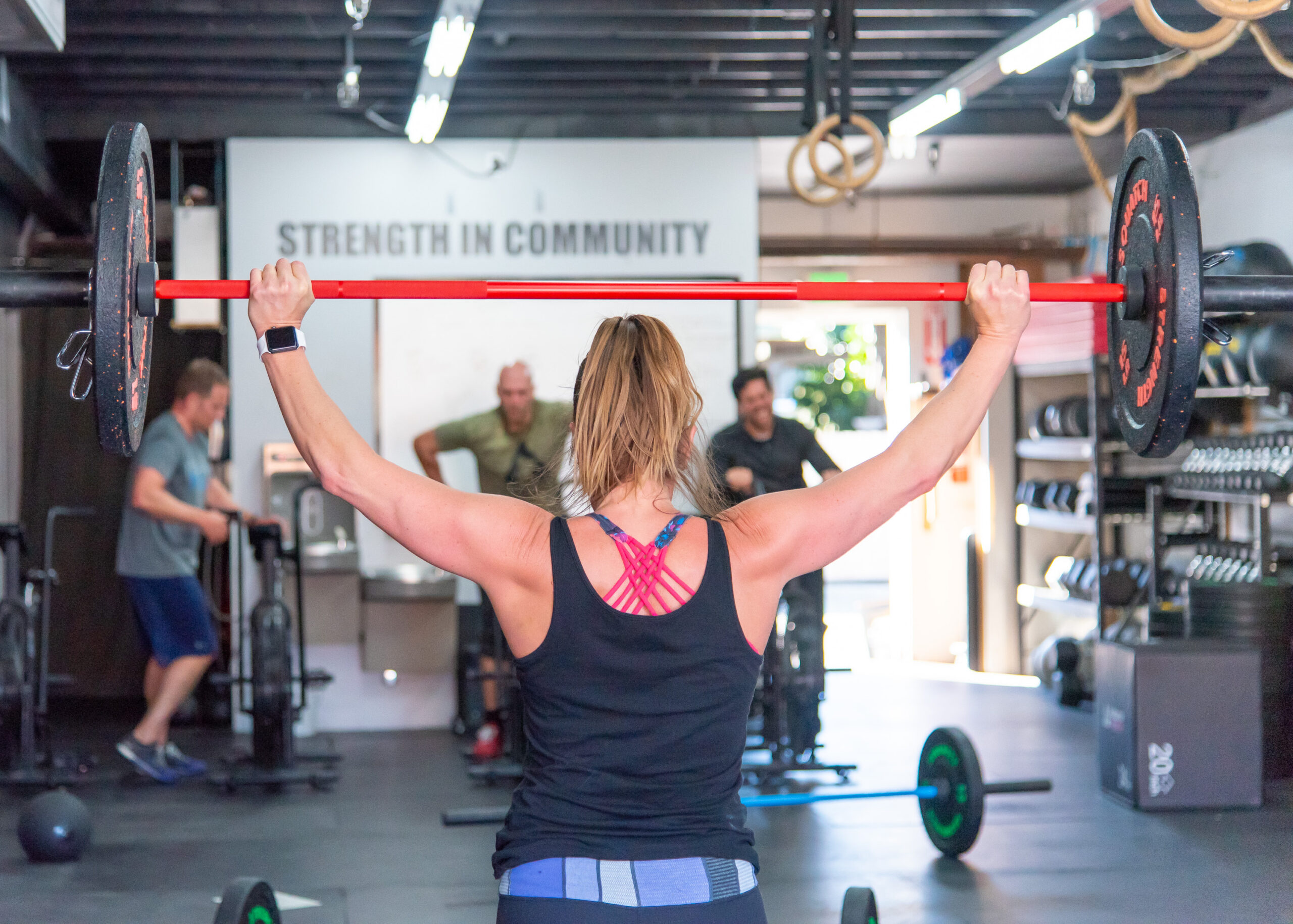
When you lift something heavy, your muscles pull on your bones, and that stress signals the body to build and maintain bone. Walking and light cardio are good for you, but they do not load the skeleton the way resistance training does. Progressive strength work is one of the most studied ways to support bone health over time, along with the muscle that protects your joints and keeps you upright.
None of this is a treatment or a cure, and it does not replace care from your doctor. It is a habit that supports the body you want to keep using.
It is not just about bones
Strong bones matter most when they come with the strength and balance to avoid a fall in the first place. That is where resistance training earns its place. Building your legs, hips, and core gives you the stability to catch yourself, climb stairs with confidence, and stay independent. We wrote more about staying strong and independent after 60.
You do not have to lift like a powerlifter
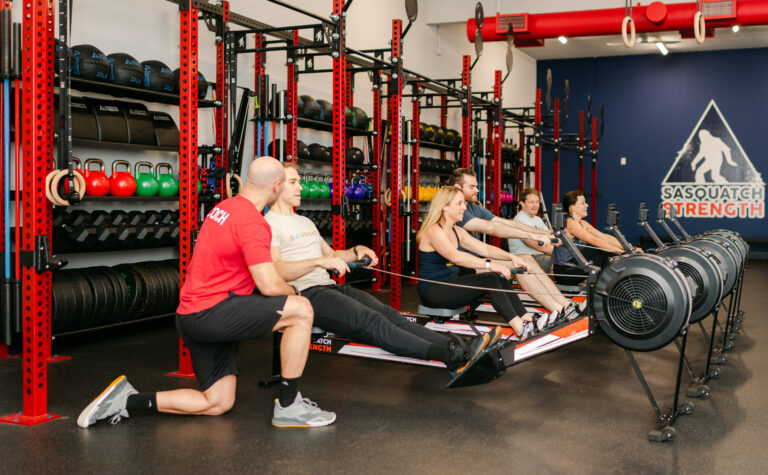
Supporting bone health does not mean maxing out. It means lifting with enough load to challenge you, with good form, and adding a little over time. At Sasquatch Strength, your coach teaches the movement, watches your form, corrects it, and decides when you are ready for more. You train at your own pace, track your own numbers, and only need about three sessions a week to make steady progress.
We coach five styles: Build for heavy compound lifts, Grind for muscular endurance, Skill for technique, Sprint for power, and Move for cardio and functional strength. For bone and joint support, most people spend their time in Build and Skill, with the rest mixed in to round things out.
Getting started safely
If you are coming back from an injury or living with a health condition, loop in your doctor first, then let your coach build around whatever they tell you. We regularly work with members preparing their bodies for surgery or recovering afterward, including those getting strong before a joint replacement. The goal is always the same: load the body the right amount, and let it get stronger.
Common questions
Is strength training safe if I am worried about my bones?
For most people it is one of the best things you can do, as long as you start at the right level and progress gradually. Check with your doctor first if you have a diagnosed condition, then train with a coach who can watch your form.
How often do I need to train?
About three sessions a week is enough to build and maintain strength for most people.
Am I too old to start?
No. The body responds to training at every age. Many of our strongest members started later in life.
Do you have a gym near me?
We have gyms in Redmond and Sammamish, a short drive from most of the Eastside, and we coach members remotely across the US.
Ready to get started?
If you want to build strength that holds up for the decades ahead, the first step is a quick conversation. Book a free Zoom, tell us your goals and any concerns, and we will map out a safe, simple plan. Book a Free Zoom.
Want a coach to talk through a plan with you?
Book a free Zoom call. We'll agree on a goal and show you what this could mean for you.
Book my free Zoom call