Coming Off Ozempic Without Gaining It All Back: What the Research Says
You’ve seen the headlines. Two-thirds of people regain the weight. The fear is real. But here’s what the headlines aren’t telling you: what you do while on the medication, and how you structure the transition, changes that outcome entirely.
This isn’t about willpower or finding the perfect diet. It’s about understanding how GLP-1 medications actually work, why weight regain happens, and what the research says about the people who don’t regain everything they lost.
What the Research Actually Says About Stopping GLP-1s
Let’s start with the data, because that’s what you probably came here for.
A landmark 2023 study published in The New England Journal of Medicine followed people who stopped taking semaglutide (Ozempic, Wegovy) after losing weight. The finding: approximately two-thirds of the weight they’d lost came back within the year. That’s a real number, and it’s why you’re reading this.
But here’s what that study also showed, and what most headlines skip: the people who did not regain all their weight had one major thing in common. It wasn’t genetics. It wasn’t special metabolism. It was what they built during the time they were on the medication.
The research from Stanford Medicine and the Obesity Society emphasizes this point: GLP-1s work by resetting appetite signals and changing how your body processes hunger hormones. When you stop the medication, those signals don’t just stay recalibrated. They come back. The medication was the tool. What you built, muscle and habit and metabolic capacity, is what stays.
Why Most People Regain (It’s Not What You Think)
The common explanation is usually “they went back to their old habits.” And sure, that’s part of it. But there’s something more important happening biologically.
The appetite suppression disappears. GLP-1s work primarily through two mechanisms: they slow gastric emptying (your stomach empties slower) and they increase feelings of fullness at lower calorie amounts. Both are driven by the medication. When you stop taking it, those signals normalize. You feel hungry again, the way you did before. That’s not failure. That’s your body’s natural regulation system coming back online.
But here’s the harder part: if you lost muscle during treatment, you’re starting from behind.
Most people who take Ozempic or Wegovy lose weight quickly. On average, people lose 10 to 15 percent of their body weight. The problem: if you’re not strength training, a significant portion of that weight loss is muscle. Studies from the University of Pennsylvania and Mayo Clinic show that without resistance training, 20 to 30 percent of weight lost on GLP-1s can be lean mass (muscle).
Why does this matter? Muscle drives your resting metabolic rate. If you lost 5 pounds of muscle during treatment, you’re now burning fewer calories at rest than you were before you started. You’re not back to square one. You’re behind square one. Your body is primed to regain fat more easily because your metabolic engine is smaller.
The third piece: nutrition habits didn’t develop. The medication suppresses appetite, which can create a false sense of control. You feel full on smaller portions. But did you learn how to structure meals for satiety? Did you hit protein targets consistently? Did you develop an intuitive sense of portions that isn’t medicated? For most people, no. So when the medication is gone, they’re navigating hunger without the skills to manage it.
The Three Things That Change the Outcome
The research and clinical data point to three factors that separate the people who maintain weight loss from those who regain it all. These aren’t mysterious. They’re trainable.
Strength Training During Treatment
This is non-negotiable. The data is clear: people who do resistance training while on GLP-1s preserve muscle mass and maintain a higher metabolic rate after discontinuation.
A 2024 study in Obesity found that people who combined semaglutide with a structured strength program lost 15 percent less muscle mass than those on medication alone. More importantly, their resting metabolic rate stayed elevated even after they stopped the medication.
You don’t need to become a powerlifter. But 3 to 4 sessions a week of progressive resistance training, whether that’s weights, bodyweight, or machines, is the difference between “I regained 20 pounds” and “I regained 5 pounds.”
Built Nutrition Habits, Not Just Weight Loss
This sounds obvious but it’s almost universally skipped over. While you’re on the medication and appetite is suppressed, that’s when you train nutritional capacity and awareness.
Hitting protein targets consistently. When you come off the medication, hunger returns. Protein intake is the single strongest lever for appetite control without medication. If you’ve spent months hitting 0.8 to 1 gram per pound of body weight, that’s now automatic and protective.
Meal structure awareness. Not rigid meal plans, but knowing how to build a plate: protein, vegetable, fat source. Knowing what satiety actually feels like.
Portion literacy. The medication suppresses appetite, but it doesn’t teach you portions. Using the suppressed appetite period to calibrate what normal portions look and feel like is the insurance policy.
When hunger signals return, you’re not learning this from scratch. You’re not turning to restriction or yo-yo dieting. You’re applying skills you already have.
A Transition Plan With Your Provider
Not everyone stops GLP-1 medications. Some people transition to maintenance doses. Some continue indefinitely. That’s a medical decision, made between you and your provider.
If transition is the right move for you and your provider, the way it happens matters. Research suggests that gradual tapering shows better weight maintenance than abrupt discontinuation. Your provider can work with you on a schedule that allows your body to recalibrate gradually rather than all at once.
During this transition window, which might be 8 to 12 weeks, is also when continued coaching, monitoring, and habit reinforcement is most protective.
Building the Foundation While You’re Still on the Medication
Here’s Sasquatch Strength & Nutrition’s actual philosophy: the medication is the tool. But you’re the engine.
While you’re on a GLP-1 medication and weight is coming off, that’s the moment to build the permanent infrastructure:
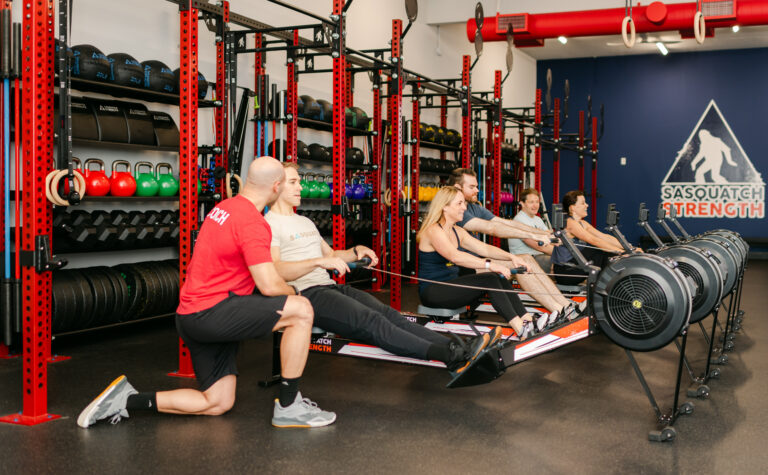
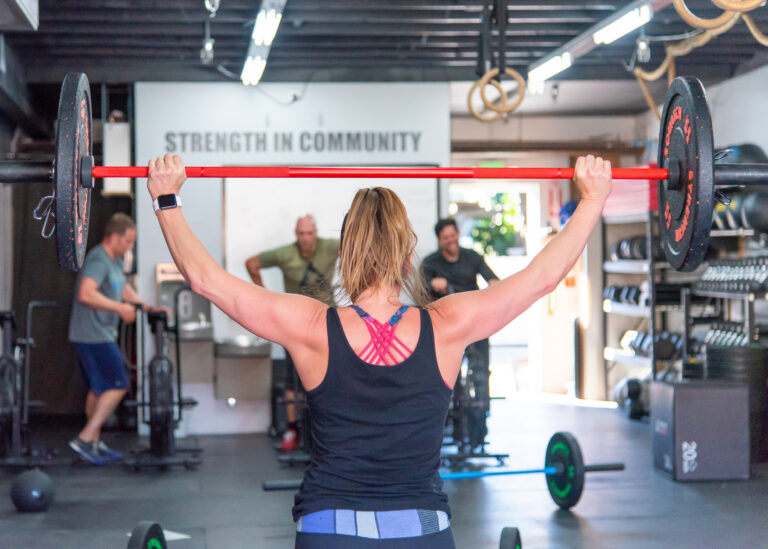
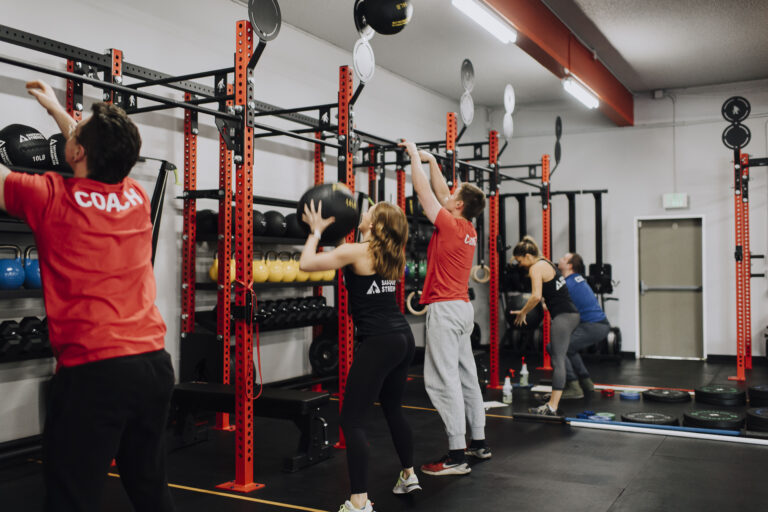
Strength training starts now, not after you stop the medication. You’re building metabolic protection and preserving muscle while the appetite suppression makes it easier to be consistent. We offer workouts in all five of our training types: Build (progressive strength, heavy compound lifts), Grind (muscular endurance, higher reps), Skill (technique and movement quality), Sprint (intensity and power output), and Move (endurance and stamina with functional strength).
Nutrition habits lock in now. Protein targets, meal structure, portions become automatic while the medication is creating the behavioral space to practice them.
Medical monitoring stays consistent. Labs, provider check-ins, and optimization of the dose and timing are part of the plan, not something that stops after weight loss.
When you work with a coach at Sasquatch while you’re in this phase, the goal isn’t temporary weight loss. It’s building the platform so that when medication transitions happen (if they do), the weight stays off because you’ve built the metabolic and behavioral capacity to sustain it.
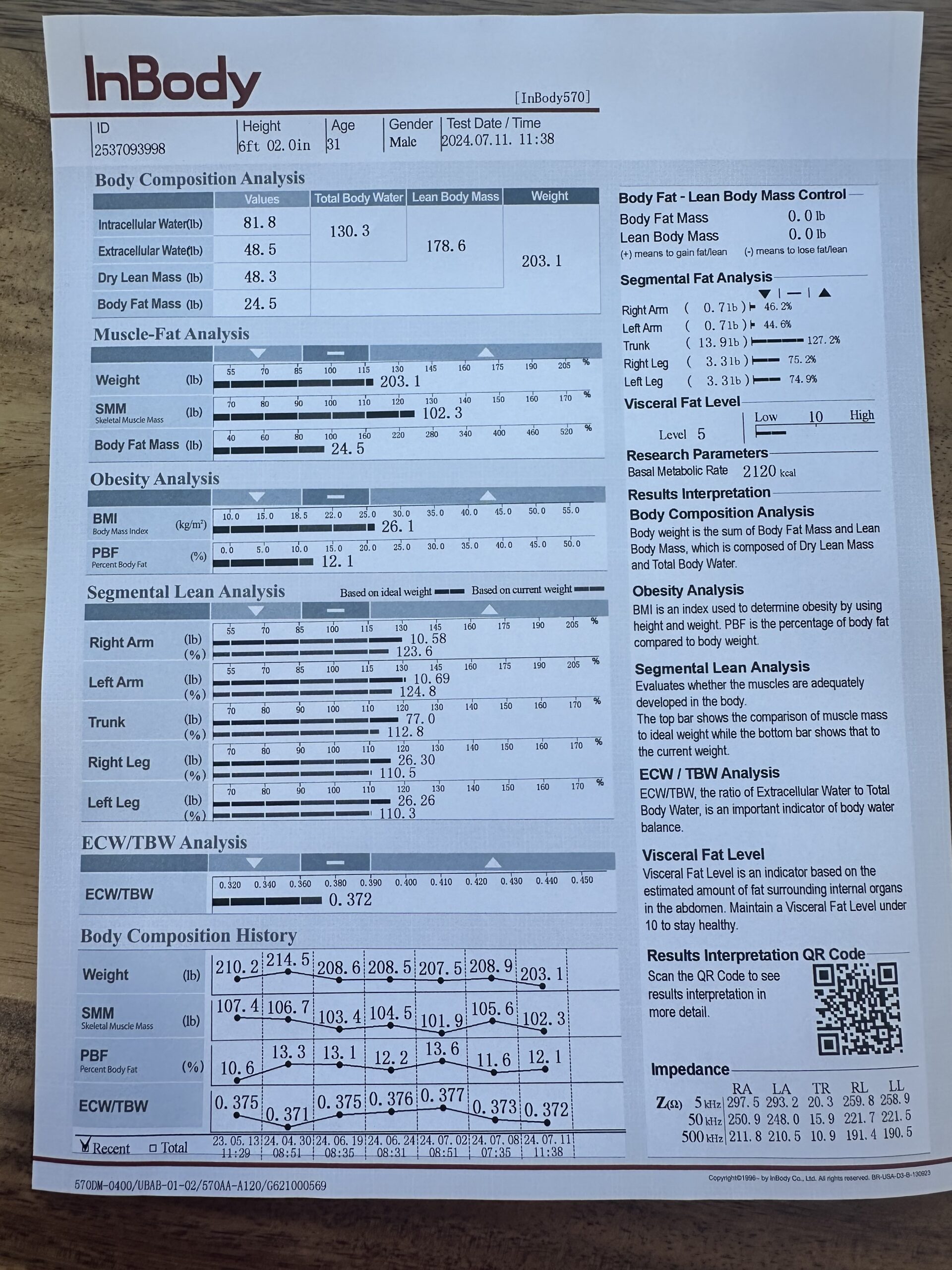
At Sasquatch Strength & Nutrition, we have locations in Redmond and Sammamish, and we work with members anywhere in the US through remote coaching. You only need 3 times per week to see real results, and many of our members come in more often because they enjoy the community and energy. InBody scans are unlimited with your membership, so you can track your real progress whenever you want.
Do You Even Need to Come Off? The Maintenance Question
This is worth a direct conversation: not everyone comes off GLP-1 medications.
The research is still emerging, but clinical data from major obesity centers shows that many people stay on maintenance doses of semaglutide, tirzepatide, or other GLP-1s long-term. Some for years. This is a legitimate, sustainable approach if labs are good and your provider approves.
The difference between a treatment dose (weekly injections at higher strengths) and a maintenance dose (lower frequency or dose) can mean continuing the appetite and metabolic benefits while reducing cost and side effects. This is absolutely a conversation to have with your provider, especially if regain is a concern.
The point: you don’t have to come off. But if you do, or when you do, you’re prepared.
FAQ: Your Top Questions Answered
How long does it take to regain weight after stopping Ozempic?
The research shows most regain happens in the first 6 to 12 months. That’s when appetite signals return to baseline and your body recalibrates. This is where your habits and muscle mass become most protective.
Can I prevent regain completely?
The honest answer: probably not 100 percent, unless you stay on the medication. You’ll likely see some regain as your appetite and metabolic regulation normalize. But you can limit it. Studies show people with muscle mass, consistent protein intake, and structured training experience 50 percent less regain than sedentary peers.
Should I stop my medication if I’m worried about regain?
No. This is a conversation with your provider. The medication itself isn’t the problem. How you use the time you’re on it is what matters. Your prescribing provider will help determine the right timeline and approach for your specific situation.
What if I’ve already regained after stopping?
You haven’t lost the metabolic changes the medication made or the skills you built. You’re not starting over. A structured program combining training, nutrition, and (if appropriate) re-evaluation of medication options with your provider can break the cycle. This is where coaching makes a real difference.
Your Next Move
The fear about regain is real. The research is honest. But it’s also clear: what you build while on the medication, the muscle and the habits and the metabolic capacity, is what stays.
If you’re currently on a GLP-1 medication and want to explore how to optimize for long-term success, you have three paths:
Option 1: Train Local. Book a free 30-minute consult at Sasquatch Strength & Nutrition in Redmond or Sammamish. InBody scan, coach conversation, real plan. Book your free consult.
Option 2: Medical Optimization. Access the SasRx Portal to work directly with licensed providers on medication dosing, labs, and transitions. All treatments require licensed provider review and approval. Any changes to medication should be discussed with your prescribing provider.
Option 3: Remote Coaching (Anywhere in the US). Book a remote strategy call with a Sasquatch coach to build your strength training, nutrition habit, and long-term sustainability plan. We’ll work alongside your provider to ensure everything is aligned. Book your free consult.
Disclaimer
All treatments require licensed provider review and approval. Individual results may vary. Medical optimization services provided through our partnership with KIS Rx. Sasquatch Strength & Nutrition is not a medical provider. We provide education, coaching, and facilitate access to the KIS Rx medical optimization portal. Any changes to medication, dosing, or treatment plans should be discussed with your prescribing provider.
Want a coach to talk through a plan with you?
Book a free Zoom call. We'll agree on a goal and show you what this could mean for you.
Book my free Zoom call