Why Strength Training Burns More Fat Than Cardio (And What That Means for Your Weight Loss)
You’ve been running for months and the scale barely moved. Or maybe you’ve been hitting the elliptical five times a week, your Apple Watch says you’ve burned thousands of calories, and yet nothing. Your friends who lift weights seem to be getting leaner faster, and you can’t figure out why.
Here’s the reality: when your goal is actual fat loss, not just weight loss, strength training wins. Not by a little. By a lot.
But it’s not because strength training burns more calories in the moment (it doesn’t). And it’s not some metabolic hack that magically melts fat while you sleep. It’s simpler and more powerful than that.
The Science Behind Strength Training and Fat Loss
To understand why strength training is better for fat loss, you need to know what’s actually happening inside your body.
Your resting metabolic rate, the calories you burn just existing, is largely determined by how much muscle you carry. Muscle tissue is metabolically expensive. It costs energy to maintain, even when you’re sitting on the couch. Fat tissue just sits there.
The math isn’t flashy: 1 pound of muscle burns roughly 6 calories per day at rest, while 1 pound of fat burns about 2. That means adding 5 pounds of muscle through strength training increases your daily calorie burn by about 20 calories. Over a year, that’s meaningful (about 7,300 calories, or 2 pounds of fat). More importantly, it shifts the trajectory of your metabolism upward.
Strength training builds muscle. Cardio doesn’t. In fact, if you do excessive cardio without adequate nutrition or strength training, you can actually lose muscle mass along with fat. That lowers your metabolic rate and makes future fat loss harder.
This is where most people get stuck. They lose 15 pounds through cardio and wonder why they don’t look that much leaner. Because some of that loss was muscle, and losing muscle while gaining none back is just making your body worse at burning fat later.
Why Cardio Alone Isn’t Enough (But Isn’t Bad Either)
Cardio is great. It strengthens your heart, improves your lung capacity, reduces disease risk, and yes, it burns calories during the workout. For overall health, everyone should be doing some form of cardiovascular exercise.
But for fat loss specifically, cardio has a ceiling. The only calories it burns are the ones you’re actively working. Once you stop running, the calorie burn stops. And it’s not creating the metabolic engine that strength training builds.
There’s also the adaptation problem. Run the same distance at the same pace long enough and your body becomes more efficient at it, meaning you burn fewer calories doing the same workout. You have to constantly increase distance or intensity just to maintain the same effect. It’s exhausting, and it’s why many people hit a plateau.
Strength training has the opposite property. You’re building something. More muscle. A higher baseline metabolic rate. A body that’s better equipped to lose fat and keep it off.
The best approach for fat loss isn’t strength training or cardio. It’s strength training plus some cardio, paired with nutrition that supports fat loss.
What Actually Happens to Your Body When You Lift
When you do strength training, your body responds differently at a biological level.
During a strength training session, you create micro-tears in your muscle fibers. Over the next 24 to 48 hours, your body repairs these tears and builds them back stronger and slightly larger. This is called protein synthesis, and it requires energy. Your body is literally constructing new tissue.
This is part of why the “afterburn effect” (EPOC, or excess post-exercise oxygen consumption) gets mentioned so much. Yes, it’s real. Your metabolism does stay elevated after strength training as your body repairs muscle tissue. But it’s often overhyped. It’s not burning an extra 500 calories in the 24 hours after your workout. It’s more like 25 to 75 calories depending on workout intensity, duration, and your fitness level.
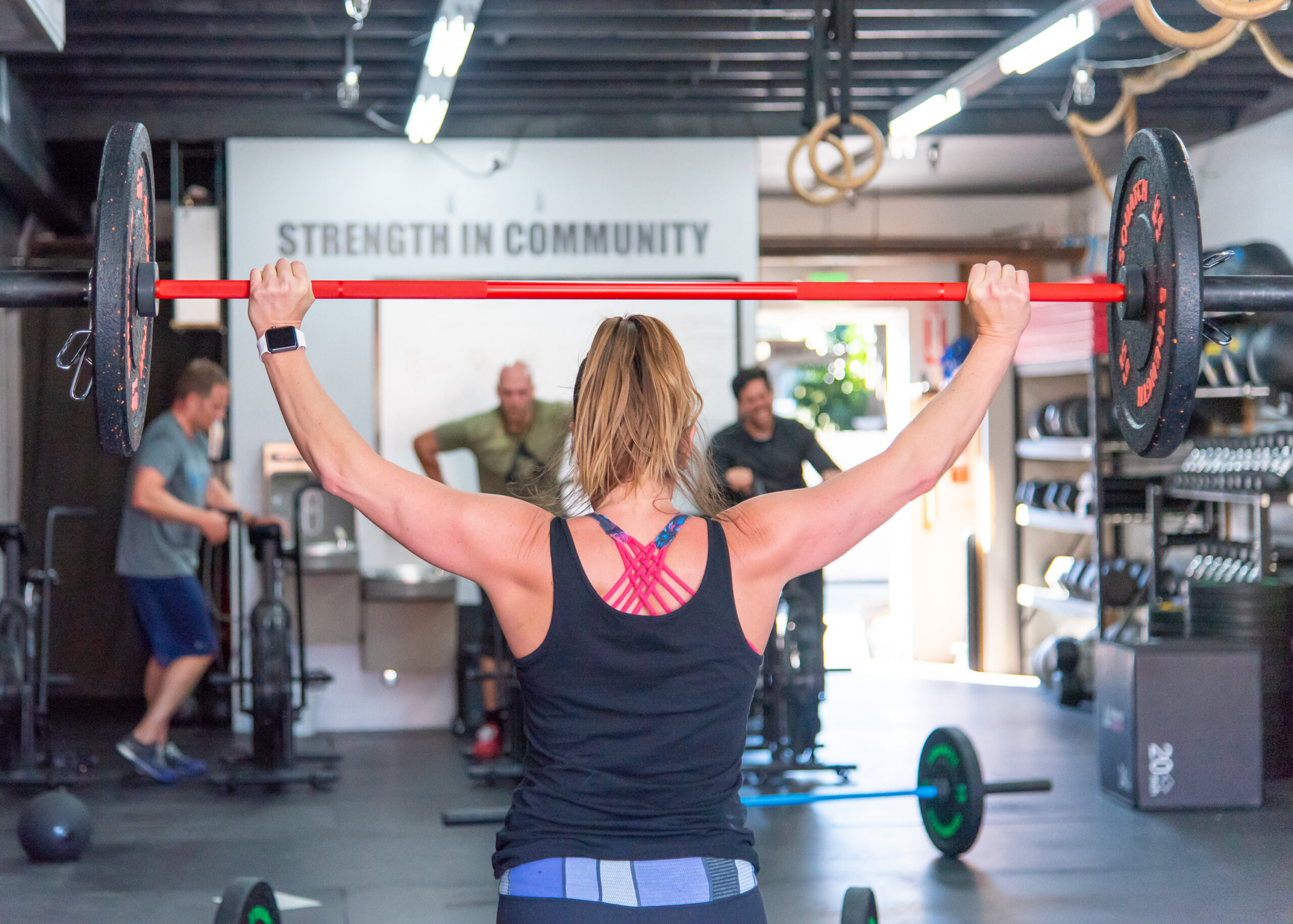
The real power isn’t the afterburn. It’s the muscle. That muscle is yours to keep. If you eat in a slight calorie deficit (as you should for fat loss) while maintaining your strength training, you preserve that muscle. The weight loss comes from fat, not from sacrificing the metabolic engine you just built.
Compare this to someone doing only cardio in a deficit: they lose weight, yes, but some of that is muscle. Their metabolism actually goes down. They’re smaller, but their body is less capable of burning fat in the future.
The Real Issue: What the Scale Actually Tells You
Here’s the most important part that almost everyone misses.
You can lose 10 pounds on the scale and actually get worse at losing fat. How? If 4 of those 10 pounds were muscle and 6 were fat, your body composition got worse. You’re smaller, but your metabolic rate is lower. Future fat loss will be harder.
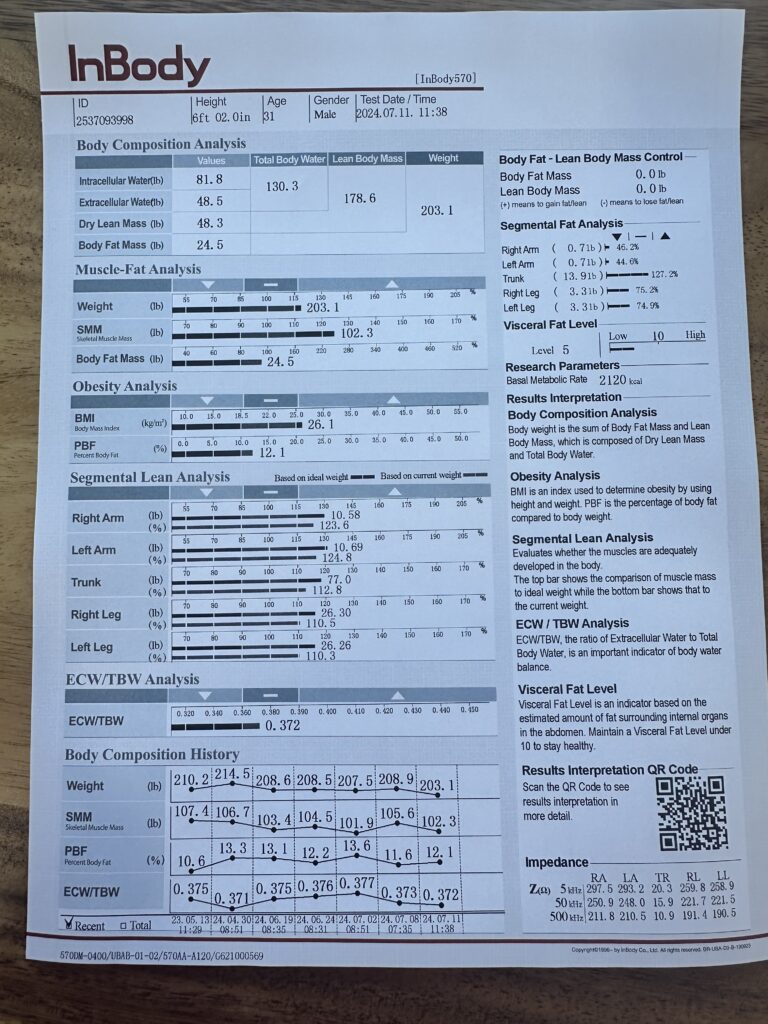
Or you can do strength training and eat for fat loss, and the scale barely moves, but your body transforms. We see this constantly with InBody scans at Sasquatch Strength & Nutrition. Members come in after 12 weeks thinking they’ve only lost 8 pounds because the scale says so. Then we run the scan: they lost 12 pounds of fat and gained 4 pounds of muscle. Net loss of 8 on the scale. But their body composition is dramatically different. Their clothes fit different. They look different. And their metabolism is better.
That’s the difference. When you’re using strength training for fat loss, the scale tells you almost nothing. Body composition tells you everything.
The GLP-1 Factor: Why Strength Training Matters Even More Now
If you’re exploring medical optimization, including GLP-1 medications, strength training becomes even more critical.
Here’s why: when you lose weight on GLP-1s, up to 40 percent of that loss can be lean muscle mass. That’s a problem. You’re losing the very thing that helps you burn fat. Without strength training, you end up smaller, weaker, and metabolically worse off than before.
Through our partnership with KIS Rx, Sasquatch members have access to medical optimization if their labs indicate and their provider approves. If you’re on that path, we make sure your training program preserves and builds muscle while the medication helps with appetite and weight loss. The combination works. The medication without the strength training is just getting smaller. Strength training plus medication plus nutrition equals actually getting better.
How We Approach Fat Loss at Sasquatch Strength & Nutrition
This is where the philosophy matters.
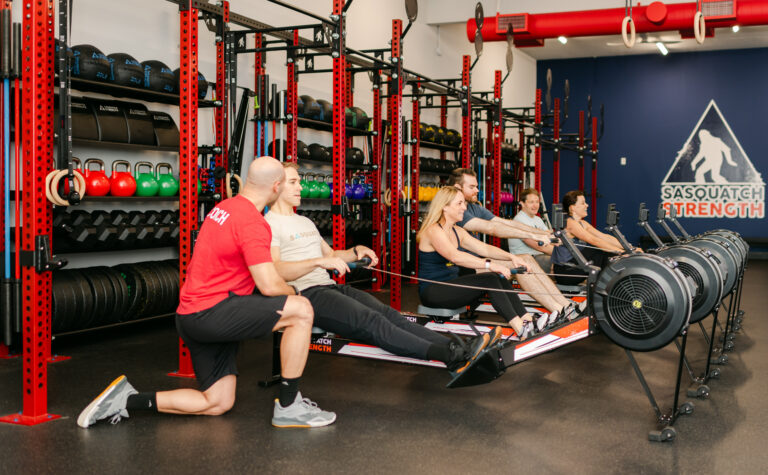
We don’t just hand people a treadmill and a nutrition plan. Fat loss isn’t about suffering more. It’s about building something.
Here’s our approach:
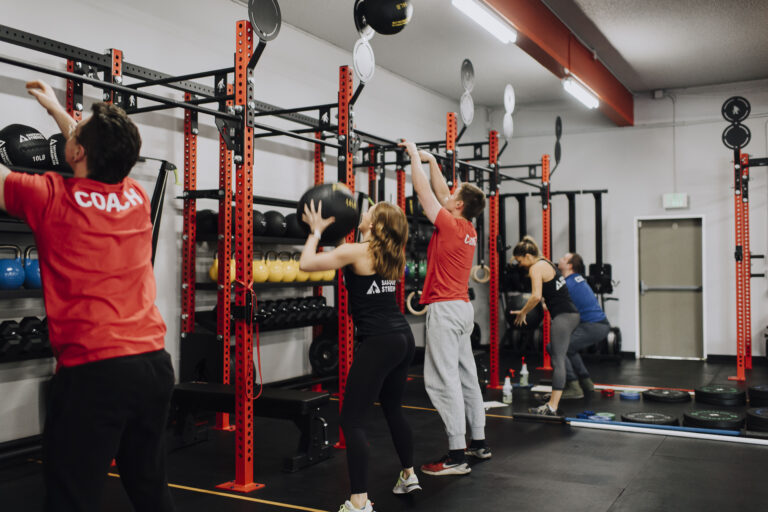
Structured Strength Training. We build a program tailored to your level and goals. This creates the metabolic foundation, the muscle that burns fat even at rest. This is non-negotiable for real fat loss.
Nutrition Coaching. We teach you to eat in a modest calorie deficit, not an extreme one. The goal is to create an environment where your body burns fat while preserving muscle. That requires understanding macros, consistency, and support. Our coaches work with you on this.
Tracking What Matters. We use InBody scans to measure body composition. Not just weight, but actual muscle and fat percentages. You can get InBody scans as often as you want with your membership, weekly, monthly, whenever, because seeing what’s really happening is that important. It’s the difference between chasing a number and building a better body.
The Long View. We’re not trying to help you lose 20 pounds in 8 weeks so you can gain it back. We’re building habits and a body that can sustain fat loss long-term. That means strength training stays in your life forever, which is good because you’ll enjoy it once it becomes part of your routine.
FAQ
If I do strength training, won’t I just get bulky?
No. Getting bulky requires eating a calorie surplus (eating more than you burn) and doing heavy strength training over months. If you’re eating in a deficit for fat loss, you won’t gain significant size. You’ll gain strength and muscle density, which is lean, toned, capable. That’s the opposite of bulky.
How much cardio should I do if I’m doing strength training?
Start with 2 to 3 sessions of strength training per week and 3 to 4 sessions of 20 to 30 minute cardio (walking, cycling, rowing, whatever you enjoy). You don’t need hours on the treadmill. Consistency matters more than volume. And if cardio is keeping you from recovering well or eating enough to support your training, you’re doing too much.
How long before I see results?
On the scale? Sometimes 4 to 6 weeks because muscle is denser than fat and you might be gaining some weight back. In the mirror and on an InBody scan? 2 to 3 weeks you’ll start noticing. Your clothes fit different, you feel stronger, and the scan shows fat loss and muscle gain. These changes matter more than what the scale says.
I’ve been doing cardio for years and haven’t seen results. Will switching to strength training really make a difference?
Yes. You’re likely hitting a plateau because your body adapted to the cardio and you’ve potentially lost some muscle, which slowed your metabolism. Adding strength training, even if you keep some cardio, will rebuild that metabolic engine. Pair it with nutrition coaching and you’ll see the changes you’ve been missing.
Ready to See What Your Body Can Actually Do?
The scale has been lying to you. Or at least, it’s been telling you an incomplete story.
Book a free consultation at Sasquatch Strength & Nutrition. We’ll do an InBody scan so you can see your actual body composition, not just a number. We’ll talk about your goals, explain how strength training works in your life, and show you what a real plan looks like.
We have locations in Redmond and Sammamish. Whether you’re local or anywhere in the US, we offer coaching that fits your situation.
Because fat loss isn’t about punishment or endless cardio. It’s about building muscle, eating right, and tracking what actually matters.